On Neurodivergence and Otherness
Show Table of Contents
INTRO
1. On Neurodivergence and Otherness: An Introduction
SENSES AND SENSORY SENSITIVITIES
2. Senses Count
3. Neurobiology for Dummies
4. Sensory Transmission and our Reward System
5. Sensory Receptors are the Body’s Cellular Plan
6. A Synthesis: Sensory Systems and our Emotions — Part I
7. A Synthesis: Sensory Systems and our Emotions — Part II
8. Sensory Disorders and Sensitivities
9. Etan’s Story
SYNESTHESIA
10. Synesthesia: Difference, But Not Disorder
11. Synesthesia, Creativity, Artistry — Part I
12. Synesthesia, Creativity, Artistry — Part II
AUTISM AND THE NEURODIVERSITY MOVEMENT
13. From “Mental Defectives” to Autism Spectrum Disorder
14. Changing Conception of Autism
15. Autism Diagnoses and Behavior Patterns
16. Autism Treatments that Help
17. Early Start Autism Treatment: A Case Study
18. Neurodivergence and the Neurodiversity Movement
19. Neurodiversity Takes Flight
20. ADHD and Neurodevelopmental Disorders
21. ADHD: A Preponderance of Risk Factors and Symptoms
22. ADHD: Inattentive, Impulsive … and Hyperactive?
23. ADHD: Named, Renamed, Still Needs a New Name
24. ADHD: Treatment and Coping Skills for All Ages
LGBTQ+
25. Neurodiversity and the LGBTQ+ Fight
26. LGBTQ+ Identity and Expression
27. LGBTQ+ and Mental and Behavioral Healthcare
ON LANGUAGE
28. Language Matters In and Around Neurodiversity
29. Neuroinclusion and Disability Language
30. Neurodivergent Language Difficulties
ON CREATIVITY AND GIFTEDNESS
31. Neurodiversity and Creativity
32. Giftedness is a Piece of Neurodivergence
SELF-IDENTITY
33. Self-Identity: The Cornerstone of Neurodiversity
34. Early Theories of Self-Identity Formation
35. Contemporary Theories of Self-Identity Formation
36. Authenticity and the Search for Self
37. Self-Concept and Self-Schema
38. Self-Labeling and Parts Work
39. Complexity, Clarity, and Self
40. Cognitive Complexity and Neurodivergence
41. Cognitive Complexity Meets Self-Identity
IMPROVING LIFE FOR NEURODIVERGENT PEOPLE
42. Empathy and Difference – Recognition and Effort
43. Empathy and Difference – Response
44. Reducing Neuroatypical-Neurotypical Conflict – Part I
45. Reducing Neuroatypical-Neurotypical Conflict – Part II
46. Communicating Across the Neurospectrum – Part I
47. Communicating Across the Neurospectrum – Part II
48. Neurodiversity: Advocacy and Education
49. Neuroinclusion in the Workplace
50. A Neurodiverse Lifestyle
IN CONCLUSION
51. In Conclusion: Neurodivergence and Inspiration
43: Empathy and Difference — Response

Image: Shutterstock
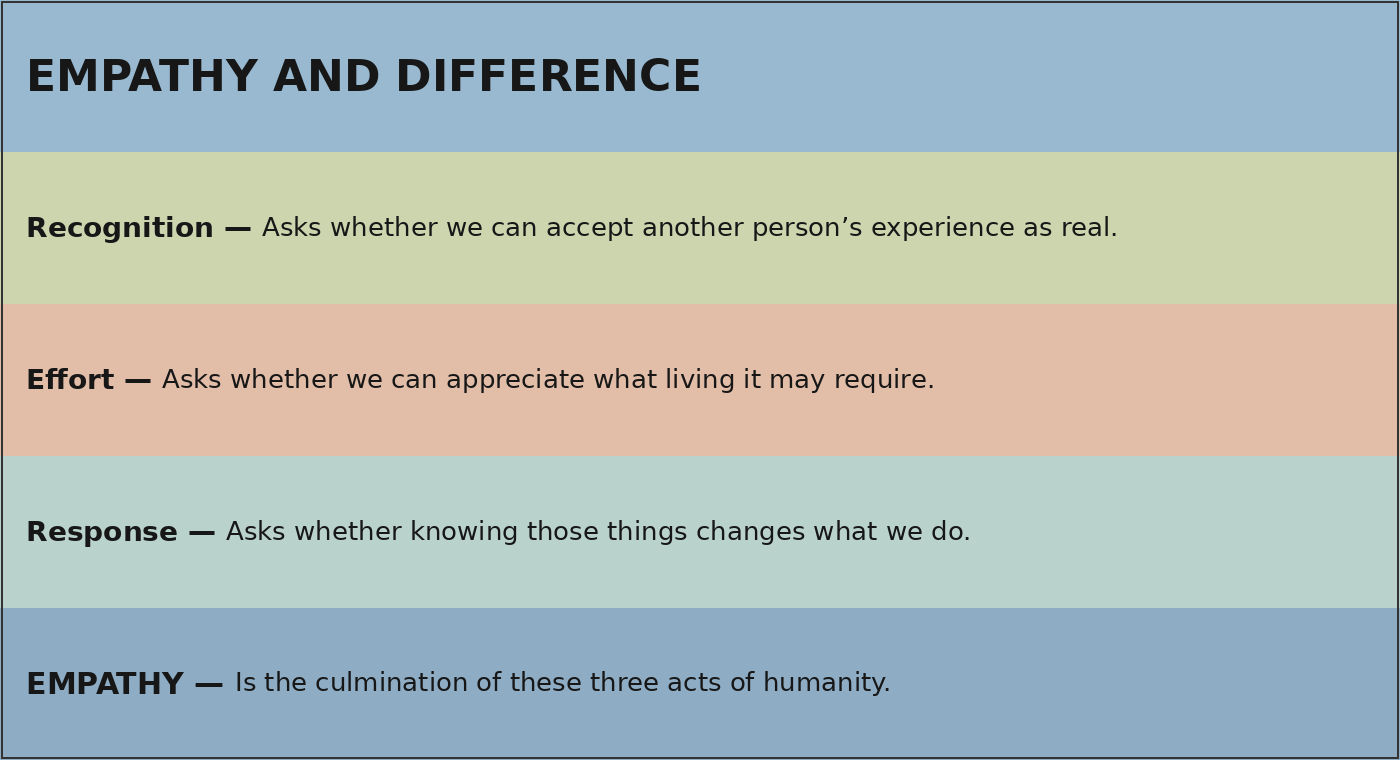
In Recognition, the first part of the prior post on empathy and difference, the question researchers, psychologists, and individuals themselves are asking is whether we can see and accept another person’s experience without assuming it resembles our own.
This is followed by Effort, which attempts to answer whether we can appreciate the sheer amount of work another person may have to do to stay in the conversation or the meeting — effort that remains invisible to us.
Now the third part is Response, which asks the crucial question: Does what we recognize and understand change how we treat another person? What does it mean to take another person’s experience seriously enough that it changes our own behavior toward them?
3. Response: What Happens After We Understand?
Empathy means little in this context if we recognize another person’s difference, understand something of the effort it requires, but don’t change what we expect from them. It helps, of course, to offer compassion, to validate feelings, but it doesn’t change anything of consequence.
How we respond makes a difference in the expectations we set, the judgement-free support we offer, and the acceptance we convey. And something we learned from the birth of the neurodiversity movement: an appreciation of the drive for autonomy as the right of any person to live as themselves.
ADHD: When behavior is mistaken for character
Original graphic: Jan Swan, with ChatGPT
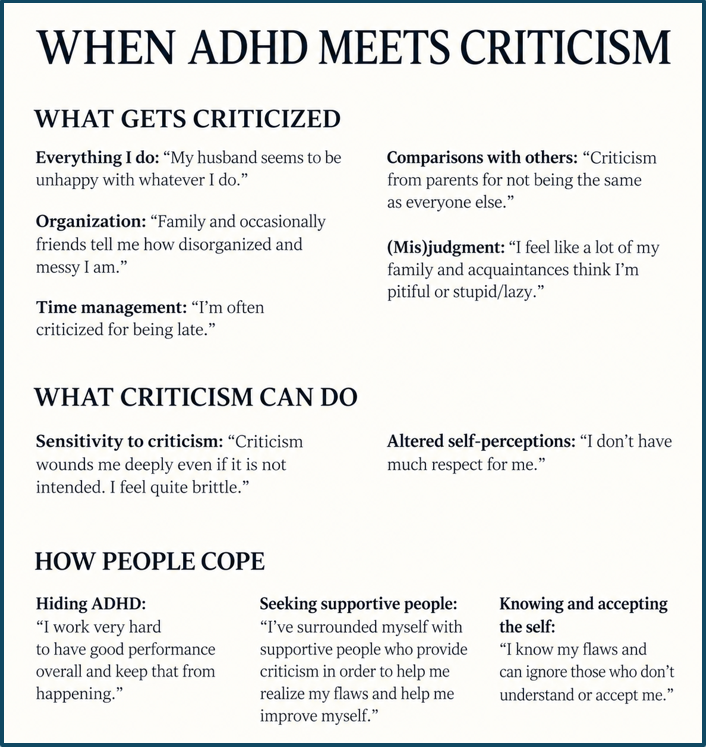
ADHD offers a particularly clear example of why response matters. A study by Danielle Beaton and colleagues analyzed the experiences of criticism reported by 162 adults with ADHD. Inattention-related behaviors were among those most frequently criticized, including being judged for forgetfulness, for being late, distracted, disorganized, and for unfinished work. They were often called careless, forgetful, lazy, and messy. Those with hyperactivity were criticized for talking too much or too loud, interrupting, and saying inappropriate things.
ADHD behaviors are visible, but for most NT people, the mechanism and effort behind the ADHD are not.
The research found criticism — which came from all directions, including parents during childhood and from coworkers, bosses, and other family members in adulthood — to have negative consequences for self-worth and wellbeing. Children even adapted epithets from bullies to describe themselves. This puts my son Etan calling himself lazy [see post 9] into context.
Some concealed their ADHD or symptoms to avoid criticism. Most participants in the study described the difference it made when other people responded with understanding.
Criticism directed towards the person rather than their strategies is more likely to impact levels of contingent self-worth and result in patterns of behavior characterized by enhanced negative emotions, attempts to avoid future criticism and a likelihood to degrade ability and intelligence with negative self-cognitions.
Yet, it is this type of destructive criticism that is more likely to be perceived by people. Perceived criticism reflects the amount of criticism that “gets through.” High levels of perceived criticism are associated with the recurrence of depression and anxiety, and lower levels of self-esteem. —Danielle Beaton, et al., “Experiences of criticism in adults with ADHD: A qualitative study,” 2022, PLOS One, PubMed Central/NIH
The authors propose some solutions to counteract the damage a lifetime of criticism can cause. Their ideas fit with our understanding of empathy. Something changes when we stop interpreting ADHD traits as indicators of personal failing. When a child explains their difficulties to classmates, the taunting stops. When adults stop hiding and instead stop hearing comments as a true representation of self and, where possible, surround themselves with empathic people, they too are less likely to succumb to the stigma and ignorance.
Source: Danielle Beaton, et al., “Experiences of criticism in adults with ADHD: A qualitative study,” 2022, PLOS One, PubMed Central/NIH
Autism: What If Support Reduces the Need for Effort?
Adapted from findings: Zhuang, et al., Clinical Psychology Review, ScienceDirect. Graphic: Jan Swan, with ChatGPT
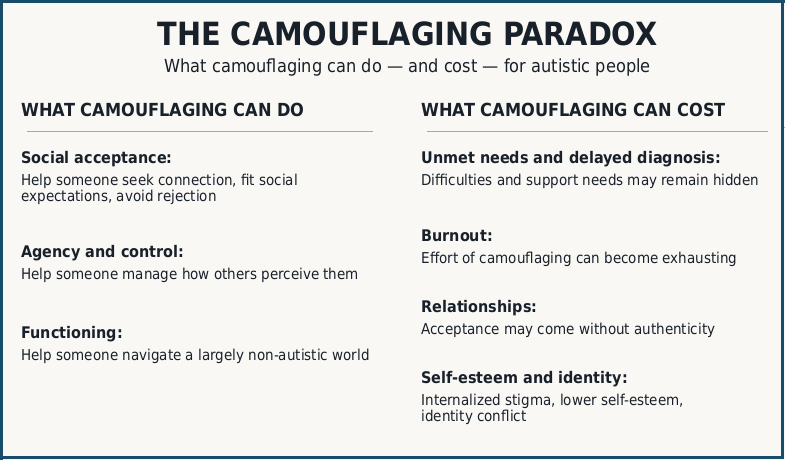
A 2023 meta-review of camouflaging in autistic adults — conducted by Sici Zhuang and colleagues, who synthesized 58 studies involving 4,808 autistic participants — found the main reasons for camouflaging are social norms and pressures, acceptance (to avoid rejection), and identity. The authors spoke of camouflaging possibly being an adaptive social strategy for some autistic people to manage non-autistic impressions, fit in with others, and form relationships. For those who find socializing stressful, camouflaging may provide a way for them to:
- Get through social situations “as painlessly and as quickly as possible.”
- Enable them to achieve life goals, become more independent, and contribute to society.

Photo: Shutterstock
Despite these benefits, they also reported consequences that compromise mental health, including being overlooked or under-supported, burnout, negative impact on relationships, and identity difficulties.
The researchers argue for greater social acceptance and support that allows autistic people to express their authentic selves.
While one response might offer the type of support or accommodation that helps an autistic person cope with a difficult task, a better response might change the need for how much coping is necessary in the first place.
That’s why I see empathy as a springboard for lifestyle, work, education, and other types of discussions about difference and living in an otherwise hostile world. These are topics of my final posts. For I do see the world as hostile or at least not helpful. Most of us struggle, but we tend to find ways through. But for those who have greater needs for supports and accommodations, or have been ignored, misunderstood, stigmatized, or worse, mounting the struggle may not be possible. Empathy is in short supply.
Source: Sici Zhuang, et al., “Psychosocial factors associated with camouflaging in autistic people and its relationship with mental health and well-being,” 2023, Clinical Psychology Review, ScienceDirect
When Response Determines What Comes Next

For my third look at the empathy of response, I’m circling back to the LGBTQ+ community, which isn’t a neurodivergence story but one of a community that has reasons for sheltering beneath the neurodiversity umbrella. The amount of prejudice and stigma that remain attached to individual identity, expression, and experience is still shocking — and it’s only grown more intense in recent years.
Difference, in whatever form it takes, can lead to serious mental health conditions, suicidality, and substance abuse.
Photo: iStock
To stay focused, I want to tackle coming out — a particular life transition that becomes necessary for someone coming of age within this community. I’m focusing here on lesbian, gay, and bisexual (LGB) young people because research on their coming-out experiences gives us a clear look at the response to what someone reveals — not just the disclosure itself [also see post 27].
By the time a teenager, let’s say, tells a parent they’re gay, a great deal may already have happened. They’ve probably spent years recognizing their sexual orientation, questioning it, worrying about what it means, and deciding whom they can trust enough to tell. And then they tell someone and part of what happens next passes out of their control into someone else’s hands.
In one longitudinal study of LGB youth, it wasn’t the number of people they came out to that predicted subsequent substance use. It was the reactions they received. Rejecting reactions were associated with current/later alcohol, cigarette, and marijuana use. Accepting reactions protected against alcohol use. The researchers concluded that understanding what happens after disclosure may be more important than disclosure itself.
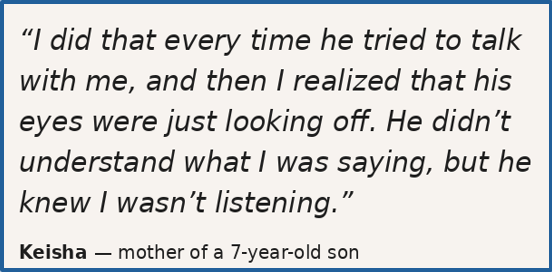
Sources for three quotations: Caitlin Ryan, Supportive Families, Healthy Children: Helping Families with Lesbian, Gay, Bisexual & Transgender Children, Family Acceptance Project, San Francisco State University, 2009. Graphic: Jan Swan, with ChatGPT
A family’s response may not be uniform. Mom may be open and perhaps even suspected, while Dad may not be comfortable nor want to discuss. A parent may ask that a younger sibling or perhaps a grandparent shouldn’t be told. The teen who screwed up a lot of courage to be completely “out” may still find themselves spending considerable energy calculating where, when, and with whom it’s safe to be fully themselves. They may feel relief, but also disappointment — that no matter what they must rely on their own counsel and family is not the safe space they could’ve hoped for.
Source: Margaret Rosario, et al., “Disclosure of sexual orientation and subsequent substance use and abuse among lesbian, gay, and bisexual youths: critical role of disclosure reactions,” Psychology of Addictive Behaviors, PubMed/NIH
Meet Marcus
Sometimes there are no half-measures. Marcus, 18, finally tells his parents he’s gay after keeping it from them for several years. His father tells him he’s no longer welcome in his home and tells him to leave. His mother looks sad, but says nothing. By the end of the evening, Marcus has stuffed what he can into a backpack and duffel bag and is sleeping on a friend’s sofa.
Marcus has lost more than his home and, seemingly, his family. He has lost opportunity and a path toward his future. Tuition money for college, the family car he was allowed to use, his family’s health insurance plan, his dog, and home-cooked meals. He believes if something goes badly wrong, he can still call home, but he’s not even sure about that.

Photo: Magnific
At Marcus’s age, all the developmental work of becoming an adult is ahead of him — education, work, intimate relationships, friendships, and independence — to find his place in the world. Except now he’s lost a secure base and knows he won’t survive unless he finds a support network.
The Family Acceptance Project at San Francisco State has documented serious and lasting consequences associated with family rejection of LGBTQ+ youth. Its research also shows that family acceptance during adolescence is associated with better health, higher self-esteem, and greater social support in young adulthood, along with lower depression, substance abuse, and suicidal thoughts and behavior. In other words, the effects of the response to coming out as a teen last well into adulthood.
Source: “Family Acceptance of LGBT Adolescents Protects Against Depression, Substance Abuse and Suicidal Behavior,” San Francisco State University
Meet Emily Again

Emily, Glamour. Photo: Laurel Golio
In post 27, we met Emily, whose mother didn’t throw her out when she came out. Her mother loved Emily, but plied her daughter with intrusive questions that wouldn’t have been asked if she had been dating a boy. Emily couldn’t bring her girlfriend home, nor tell her younger sister. Her mother wondered aloud what boys would think.
Emily still had a home and a family, but the message was disheartening: You belong here, but this part of your life isn’t entirely welcome.
Family Acceptance Project researchers have identified dozens of behaviors through which families communicate acceptance or rejection. How parents respond isn’t holding a private opinion. It shows up in what they do.
- Does your girlfriend come to dinner?
- Can you talk about her with grandma?
- Does dad ask how the relationship is going?
- If an uncle makes a homophobic joke, does someone tell him to stop?
- Does your partner eventually appear in the family photographs alongside everyone else?
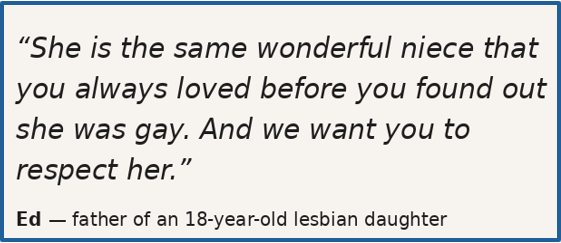
Family “business as usual” is quite profound. An LGB young person needs the same things other young people need during these transitional years: room to develop an adult identity, form intimate relationships, become more independent while remaining connected to family, imagine a future, and know they’ll always belong.
Full acceptance doesn’t require parents to respond perfectly in the first five minutes. People can be surprised by the news and need time to absorb something unexpected. They can ask the wrong question and wish they could take it back.
They may even need time to let go of a future they had imagined for their child — perhaps the wedding they pictured, or the grandchildren they assumed would come in a particular way. Of course, all that and more may still be possible. But in the moment, the parent may not understand that yet.
But response can’t remain a half-measure forever. Eventually acceptance has to become visible in the extended life of the family.
- Of course you belong here.
- I’d love to meet your girlfriend. Please invite her to dinner.
- Let’s tell grandma together. If she has a hard time, then she maybe won’t come to every family event.
- Anyone who can’t accept you doesn’t get to decide whether you belong in this family. Because I choose you.
This is an unequivocal response. In this scenario, the parent has given what their child needs and deserves. Understanding and recognition translated into behavior.
In Sum
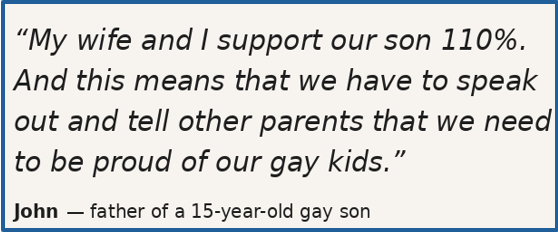
Empathy begins with another person but asks something of us. We may never experience the world as they do, understand from the inside what it takes to navigate it, or face the same barriers they encounter. But once we recognize their experience and begin to appreciate the effort it requires, we know something we didn’t know before.
Response is where empathy becomes visible. It can mean changing an expectation, making an accommodation, defending someone’s place in a family, or reconsidering an environment that asks too much of some people simply because they are different. The response will depend on the person and the circumstances. What it can’t be is a half-measure that leaves everything essentially as it was. To conclude:
Original graphic: Jan Swan, with ChatGPT
Coming Up Next

Beginning with Post 44. Reducing Neurotypical-on-Neuroatypical Conflict — Part I, the final posts in this series move away from science and toward pragmatism: conflict management and communication, education, work and lifestyle, and what it might mean to join the neurodiversity cause.
I’ve drawn heavily from neurodiverse resources — in part, to show how much is available and how many people and organizations are taking the aspirations of the neurodiversity movement seriously.
I don’t want to minimize the challenges of living a neurodivergent life, or any life stigmatized by mainstream society. But I do hope these final posts convey that a fulfilling life is possible, even if imperfect. Well, no one lives a perfect life. Some of us just have it a bit easier.
Copyright ©2026 Jan Swan
 English