On Neurodivergence and Otherness
Show Table of Contents
INTRO
1. On Neurodivergence and Otherness: An Introduction
SENSES AND SENSORY SENSITIVITIES
2. Senses Count
3. Neurobiology for Dummies
4. Sensory Transmission and our Reward System
5. Sensory Receptors are the Body’s Cellular Plan
6. A Synthesis: Sensory Systems and our Emotions — Part I
7. A Synthesis: Sensory Systems and our Emotions — Part II
8. Sensory Disorders and Sensitivities
9. Etan’s Story
SYNESTHESIA
10. Synesthesia: Difference, But Not Disorder
11. Synesthesia, Creativity, Artistry — Part I
12. Synesthesia, Creativity, Artistry — Part II
AUTISM AND THE NEURODIVERSITY MOVEMENT
13. From “Mental Defectives” to Autism Spectrum Disorder
14. Changing Conception of Autism
15. Autism Diagnoses and Behavior Patterns
16. Autism Treatments that Help
17. Early Start Autism Treatment: A Case Study
18. Neurodivergence and the Neurodiversity Movement
19. Neurodiversity Takes Flight
20. ADHD and Neurodevelopmental Disorders
21. ADHD: A Preponderance of Risk Factors and Symptoms
22. ADHD: Inattentive, Impulsive … and Hyperactive?
23. ADHD: Named, Renamed, Still Needs a New Name
24. ADHD: Treatment and Coping Skills for All Ages
LGBTQ+
25. Neurodiversity and the LGBTQ+ Fight
26. LGBTQ+ Identity and Expression
27. LGBTQ+ and Mental and Behavioral Healthcare
ON LANGUAGE
28. Language Matters In and Around Neurodiversity
29. Neuroinclusion and Disability Language
30. Neurodivergent Language Difficulties
ON CREATIVITY AND GIFTEDNESS
31. Neurodiversity and Creativity
32. Giftedness is a Piece of Neurodivergence
SELF-IDENTITY
33. Self-Identity: The Cornerstone of Neurodiversity
34. Early Theories of Self-Identity Formation
35. Contemporary Theories of Self-Identity Formation
36. Authenticity and the Search for Self
37. Self-Concept and Self-Schema
38. Self-Labeling and Parts Work
39. Complexity, Clarity, and Self
40. Cognitive Complexity and Neurodivergence
41. Cognitive Complexity Meets Self-Identity
IMPROVING LIFE FOR NEURODIVERGENT PEOPLE
42. Empathy and Difference – Recognition and Effort
43. Empathy and Difference – Response
44. Reducing Neuroatypical-Neurotypical Conflict – Part I
45. Reducing Neuroatypical-Neurotypical Conflict – Part II
46. Communicating Across the Neurospectrum – Part I
47. Communicating Across the Neurospectrum – Part II
48. Neurodiversity: Advocacy and Education
49. Neuroinclusion in the Workplace
50. A Neurodiverse Lifestyle
IN CONCLUSION
51. In Conclusion: Neurodivergence and Inspiration
25. Neurodiversity and the LGBTQ+ Fight
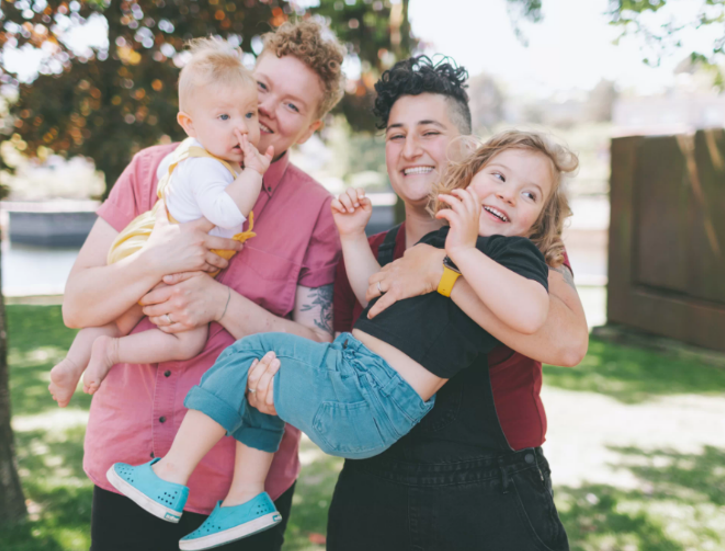
I admire the courage and openness of younger generations of people, whether gay, nonbinary, trans, or unsure where they fit on the non-gender conforming spectrum. They fight to be seen, heard, given their human rights, their legal rights. Not only that, but their so-called straight counterparts are also less straight, less rigid in the absoluteness of their own sexual or gender identity — and would find it unthinkable to see anyone discriminated against for how and with whom they live their lives.
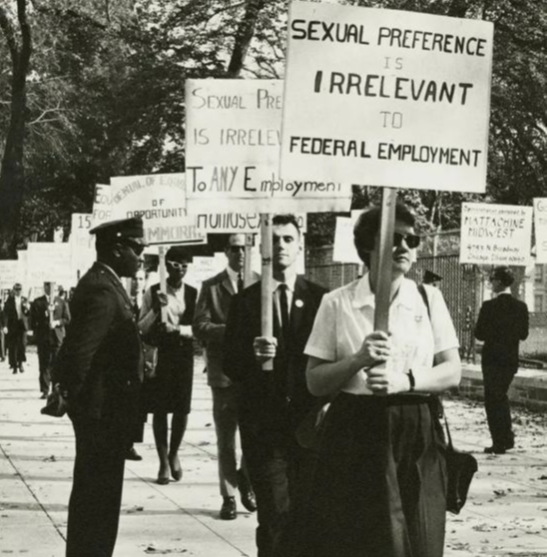
Prior generations fought hard for these freedoms, too. I was in college when the Gay Liberation Front was formed, modeled on the Black Liberation Front. Society was indifferent to the inhumanity of being forced to live falsely under threat of police raids or overt and deadly discrimination.
The grassroots fight was inspiring and then, with AIDs, it was tragic. Our coworkers and friends deteriorated before our eyes, while government leaders shouted moral outrage and government agencies did nothing. AIDs spread. Not until white, middle-class drug users and their innocent partners contracted AIDs from needles was science funded.
It took another decade to recover from the era of AIDs as a death sentence. Now people manage AIDs like they do diabetes, like they do bipolar disorder.
Diverse communities of people are more fearless now. In many (but certainly not all) places, they’re social de-masking as individuals and as a community. The LGBTQ+ community formed a political-social movement that recently coalesced around same-sex marriage — and they ended Don’t Ask, Don’t Tell.
Third White House Picket, 1965, New York Public Library. Photo: Kay Tobin Lahusen, Ernestine, and Barbara Gittings. BuzzFeed
ADHD and Reward Deficiency Syndrome
With progress there’s backlash, making it dangerous in certain geographies to live openly. Social change comes at a cost. Claiming your selfhood, living your truth and living next door, having a family, creating a good life are rewarded with greater health and happiness. But stigma, discrimination, and fear erode mental health and raise the risk of suicide, especially for teens, young adults, and trans youth. For these reasons, many in the LGBTQ+ community close ranks with the neurodiversity movement, regardless of neurodivergence.
I became interested in the intersection of disability and LGBTQIA+ identities through my own lived experience as part of these communities. Having a disability, or being neurodivergent, is not an inherently tragic experience. Stigma, societal barriers, and systemic oppression are the real tragedies. —Interview with psychiatric social worker Liliana Valvano, “Helping Neurodivergent Individuals Succeed in a Neurotypical World,” Columbia University’s Lieber Recovery Clinic
Valvano asserts the strengths of ND people are often undermined to promote normalization. She helps her clients “unpack internalized stigma, harness their unique strengths, and build authentically meaningful lives.”
Most searches for neurodiversity and LGBTQ+ are about people on the autism spectrum, who are also on the gender spectrum. This is statistically significant.
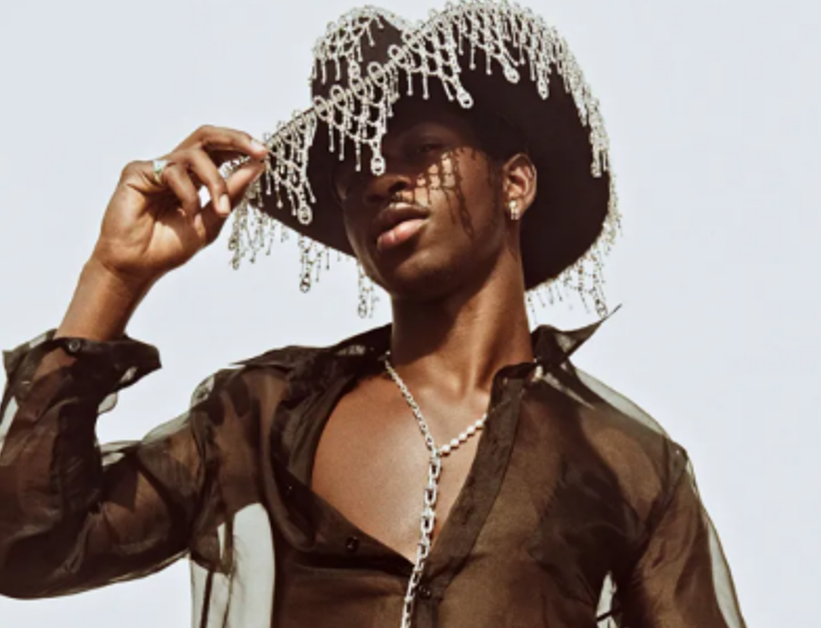
Lil Nas X, in New York, 2019, Billboard
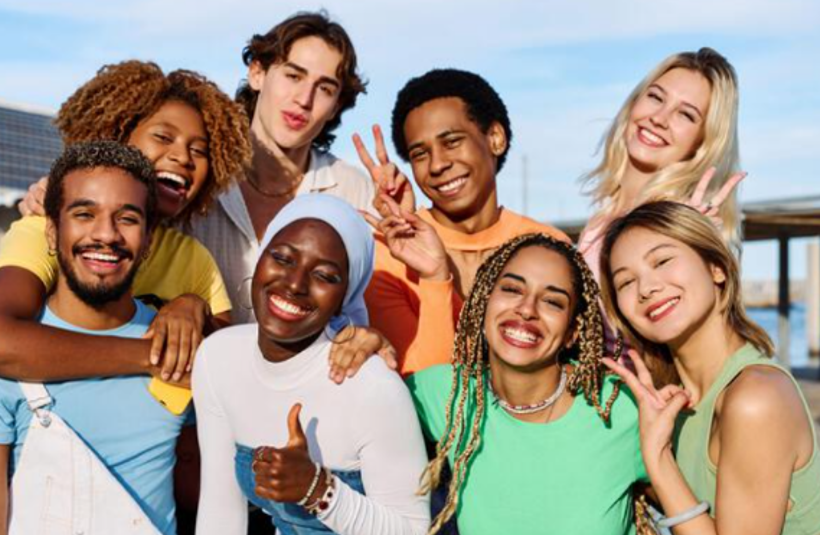
Research shows a strong correlation between ND people and LGBTQ+ identities. A University of Cambridge study found autistic people are 8X more likely to identify as LGBTQ+ than NT peers. Another study found autistic people are more likely than non-autistic to be gender diverse — what Valvano calls gender expansive. In comparing autism vs non-autism, studies show autistic people are 3–6X more likely to identify as trans, and neurodiverse people in general are 8X more likely to be asexual. Valvano says these findings aren’t surprising to autists:
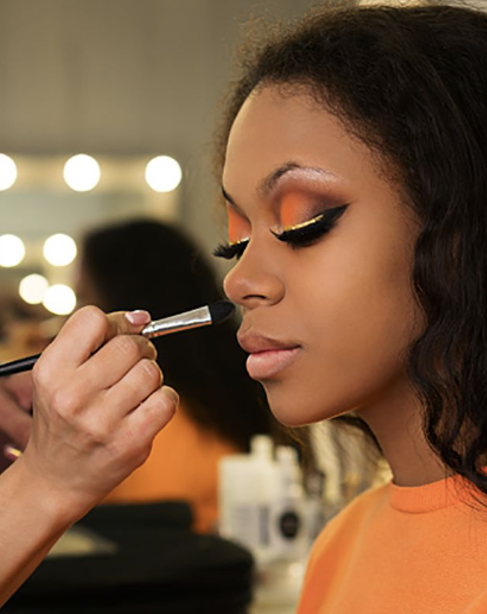
Photo: Byrdie
Gender can be understood as a series of roles and social cues…“women sit like this; boys play with that.” Missing social cues is a categorizing factor of autism, so it makes sense gender-related social cues may be unidentifiable to autistic people. Autistic people may also have sensory preferences that result in a more gender ambiguous presentation — wearing loose, softer clothing or having shorter hair. Many clients describe a feeling of being “gender ambivalent” — they just simply do not care to keep up with what feels like a game of complex cues to which they never received the rules.
Others may have special interests — a term that refers to the extremely passionate interests autistic people develop—that have a gendered connotation, such as makeup or collecting model planes. These interests can constitute a large part of an autistic person’s identity and may impact gender presentation. Lastly, autistic people are often critical, logical thinkers and may be less apt to accept social norms that are uncomfortable simply because “that is the way things are done.”
Autistic people have even conceptualized the terms “auti-gender” and “neuroqueer” to explain the way that their experiences of autism and gender are completely intertwined. —Liliana Valvano, Columbia University’s Lieber Recovery Clinic
Valvano was disappointed to find in her clinical education in social work that graduate-level teaching depicted autism as a pathology in need of treatment:
This simply did not align with the complex narratives of disability I was familiar with. Autistic self-advocates made clear that treatment and assimilation were not their goals. Rather, autistic adults sought to be accepted, supported, and valued for their distinct capabilities. This desire was comparable to that of the LGBTQIA+ community — to be celebrated rather than stigmatized. —Liliana Valvano
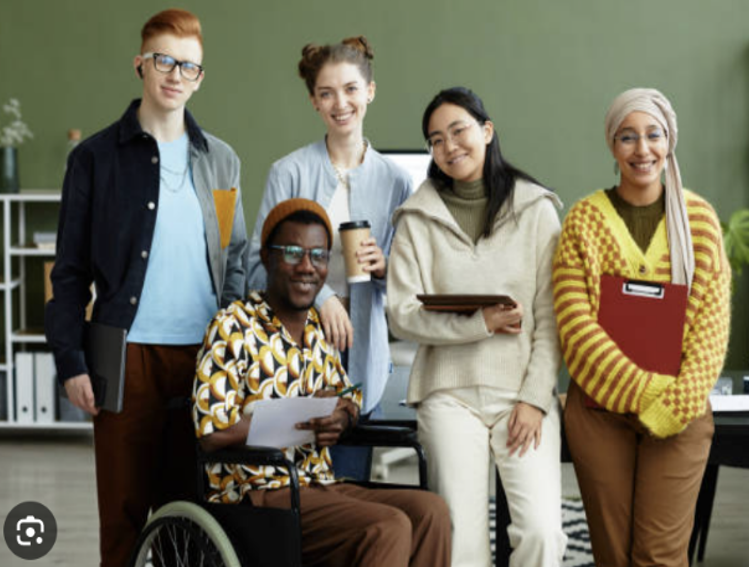
Photo: SeventyFour. Getty Images
Valvano advocates for neurodiversity education in clinical teaching to add to medical/developmental mindsets a way to observe the signs for autism beyond the two-year-old through a lifespan. She believes “internalized biased perceptions … have not been challenged.” The medical/developmental model sees “autistic people as incapable of living full lives, working in certain industries, having sexual or romantic relationships, being LGBTQ+ — or believe that autistic people have to learn how to social mask or not stim to be successful in the world.” As society accepts neurodiversity and more workplaces hire/support autistic people, life is not as limited as it was even 10 years ago — and this includes autistic dating apps.
LGBTQ+ Discrimination and Mental Health Risk Factors

But there are other intersections between the LGBTQ+ cause and the neurodiversity movement absent auti-gender. The growing-up years for LGBTQ+ young people can be a difficult or painful time. Society assumes heterosexual/cisgender identities or, if enlightened, accepts nonbinary gender and sexual identity — while still denying experience beyond man/woman, gay/straight. While nothing about being LGBTQ+ is inherently harmful for mental health, not fitting the dominant culture’s expectations can lead to minority stress.
Photo: Alamy
Minority Stress and Social Safety

Collective evidence for discrimination, social pressures, targeted abuse, and unequal treatment of a majority of LGBTQ+ individuals is overwhelming. The LGBTQ+ community is one of the most targeted groups in the U.S. by hate crime perpetrators. Abuse and trauma can come from anywhere — homophobia, stigma, labeling, stereotyping — via verbal, mental, and physical abuse (school bullies, family rejection, abusive partners) or overt acts of crime. They’re more likely to deal with poverty and sexual abuse.
Source: Medical News Today. Photo: Catherine Falls Commercial/Getty Images
The accumulated effect of this chronic marginalization causes minority stress — defined by the American Psychological Association (APA) as “psychological and physiological effects relating to adverse social conditions” experienced by ethnic, racial, and sexual/gender minorities, as well as stigmatized neurodivergent individuals and groups. The APA lists most minority stress reactions result from:
- Experiencing stigma, prejudice, and discrimination
- Maintaining constant vigilance in the expectation of discrimination
- Internalizing negative social attitudes
- Concealing sexual orientation or gender expression in public.
ADHD Treatment for Children
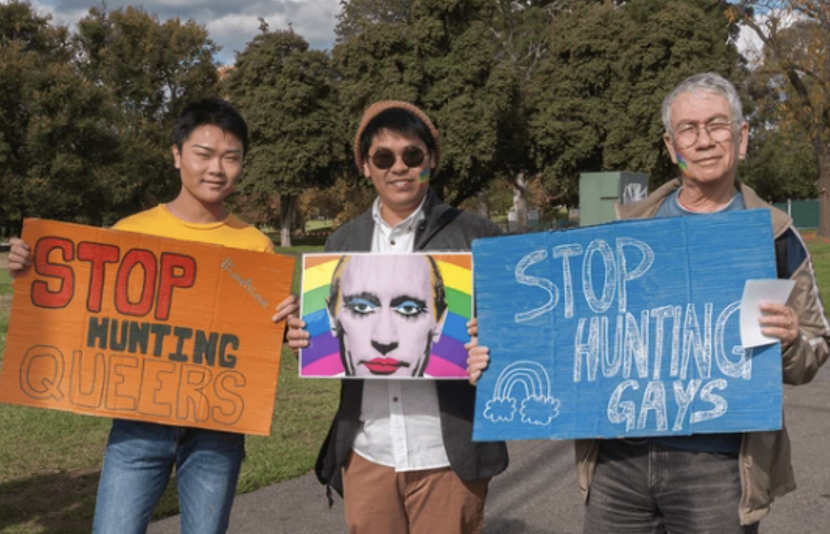
Photo: Vecteezy
The minority stress model or stress theory was introduced in 2003 by American psychiatric epidemiologist and policy scholar Ilan Meyer, PhD, UCLA Law School Williams Institute, to understand psychological consequences among sexual minority populations. The model has become a major influence in guiding research on gender/sexual, racial, and ND minority health in social/health sciences. The hope is to raise awareness, reduce social stigmas, and jumpstart targeted treatments.
In recent research from Science Direct, “Rethinking Minority Stress,” Lisa Diamond, et al., find social safety is missing from an understanding of LGBTQ+ stigma — as essential to social connection, inclusion, and protection.
Diamond writes its “absence is just as health-consequential for stigmatized individuals as the presence of minority stress.” The chronic threat-vigilance fostered by insufficient safety has negative long-term effects on cognitive, emotional, and immunological functioning, even when exposure to minority stress is low.
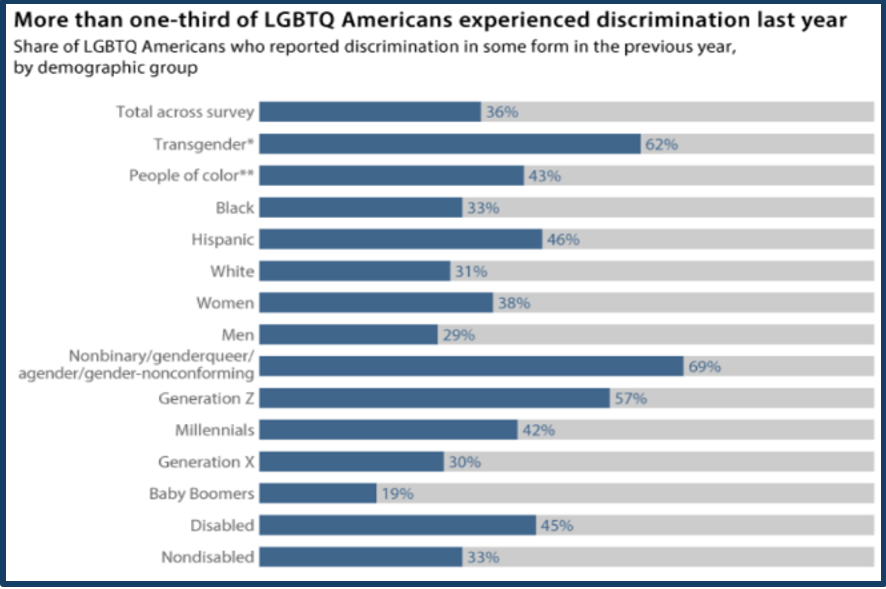
- 1/3 LGBTQ+ and 3/5 transgender people faced overall discrimination.
- 1/2 LGBTQ+ people report minority stress-induced suicide attempts, eating disorders, substance-use disorders, anxiety/panic attacks (36% with anxiety vs 18% general population), and depression (60% with depression vs 20% general population).
- NCAVP says 1/2 of trans/bisexual females experience sexual violence.
- 45% LGBTQ+ people have PTSD vs 3.5% general population.
Unless otherwise noted, research findings/statistics are drawn from major 2016–2018 studies: Wikipedia, Arrow Passage, the Center for American Progress (with University of Chicago NORC research). More recently, from National Coalition of Anti-Violence Projects (NCAVP) and National Center for Transgender Equality
LONELINESS AND MASKING

In a Medical News Today article, “Minority stress model: What it is and why it is important,” writer Mandy French cites a 2022 study with these findings:
- Loneliness levels may be higher in sexual minority populations, due to internalized homonegativity (negative attitude to those differently oriented), stigma preoccupation (focus on stigma), concealment of sexual orientation, social inhibition/anxiety.
- 50% of survey respondents hide a personal relationship and up to 1/3 altered other aspects of personal/work lives to avoid hate, trauma, or the shame they learned to feel.
Source: Each Mind Matters
SEXUAL GENDER MINORITY ADOLESCENTS (SGMAS)
Studies show LBGQ youth are at greater risk for mental health problems and suicidality:
- Center for Disease Control and Prevention finds LGB adolescents are 2X as likely to feel hopelessness/sadness or commit suicide as straight youths.
- Medical News Today cites a 2021 study finding SGMAs may be more likely to experience anxiety, depression, self-harm, PTSD, and suicidal thoughts than straight youths.
- Bullied children have prolonged problems, including depression/anxiety, low self-confidence, and low self-esteem. LGBTQ+ youth show worse effects than straight peers from traumatic childhood experiences (parents’ divorce/death, parental rejection/abuse/abandonment).
- A 2016 study into school counselors and sexual minority bullying found no specific anti-bullying interventions, state laws, or policies to address these issues.
TRANSGENDER DISCRIMINATION
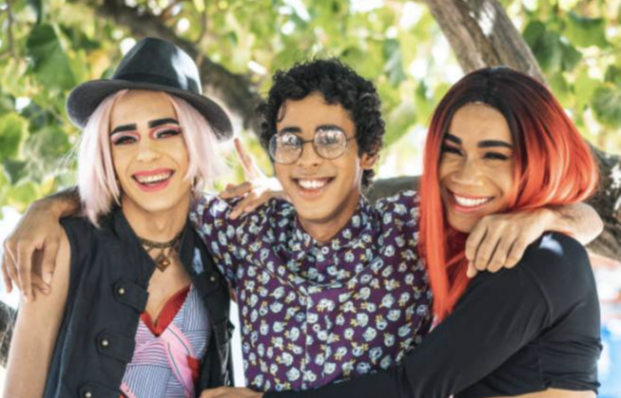
Photo: iStock. Credit: MesquitaFMS
Even more alarming are rates of physical/non-physical abuse against transgender people. Their fears are real and often lead to self-denial and masking. They are at high risk for anxiety, depression, suicide, self-harm, and social/academic issues.
According to Congress.gov, citing research by the anti-gun nonprofit Everytown for Gun Safety, murders of trans people nearly doubled in 2017–2021 — with Black trans women at greatest risk.
“Bias-motivated crimes are a real, frightening problem in the United States, and LGBTQ+ people continue to be targeted because of who they are.” —Congress.gov
Center for American Progress/NORC survey found 15% of all LGBTQ+ respondents and 28% of transgender postponed or avoided needed medical care due to disrespect, fear of mistreatment from healthcare providers, or other discrimination. The majority (82%) had accessed formal mental healthcare, compared to 47% of cisgender adults — but trans people were significantly more likely to experience poor mental health during their lives.
In 2019, the American Medical Association recognized “an epidemic of violence against the trans community,” who are 2.5X more likely than cisgender to experience violence.
The 2015 Harvard University National Center for Transgender Equality’s U.S. trans survey (largest to date): 40% of trans youth reported attempting suicide in their lifetime. That’s nearly 9X the national average of roughly 13 deaths/100,000 people every year. With 6/10 suicides in the U.S. involving a gun, the “epidemic of firearm suicide could have a disproportionate impact on transgender and adolescent members of the LGBTQ+ community,” said Everytown.
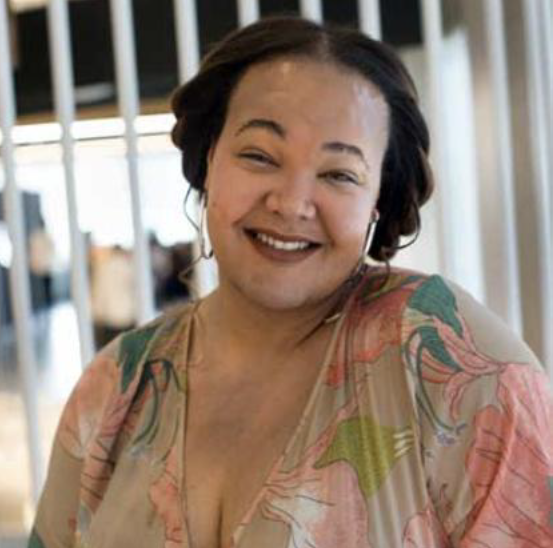
Diamond Stylz’ is an activist/ advocate for Black trans women. As a high school senior, she successfully sued Indianapolis Public Schools for the right to wear a gown to prom rather than a tuxedo. She became the first openly trans woman to attend Jackson State University, an HBCU in Miss., where she was a target of bigoted violence.
UCLA School of Law’s Williams Institute, using 2023 data from the U.S. Transgender Population Health Survey (TransPop), compared the prevalence of harmful behaviors between transgender and cisgender adults. Results from this study (first national random sample) show significant disparities in health outcomes for transgender as compared with cisgender Americans:
- Transgender youth are 2X as likely as cisgender LGBQ youth and 3X as likely than general population to experience depression.
- While only 13% of the trans community is estimated to be Black, Black trans women accounted for nearly 3/4 of known victims.
- Compared to cisgender adults, 7X more (81%) of transgender adults have thought about suicide, 4X more likely (42%) to attempt it, 7% reported a recent suicide attempt, and 8X more likely (56%) to engage in non-suicidal self-injury over their lifetimes.
- Nearly 1/3 transgender individuals reported hazardous drinking (28%) and problematic drug use (31%) — similar to cisgender adults.
- Compared to trans men, nonbinary trans people were 4X more likely to report drug use, 3X to experience serious mental health distress, 6X to think about suicide, and 4X to have engaged in non-suicidal self-injury.
Stylz produces the weekly podcast Marsha’s Plate and leads the national nonprofit Black Transwomen Inc., to support Black trans women in need. Black trans women
The rates of suicidal ideation and self-injury among transgender people are alarming — particularly for transgender nonbinary adults. A lack of societal recognition and acceptance of gender identities outside of the binary of cisgender man or woman and increasing politically motivated attacks on transgender individuals, increase stigma and prejudice and related exposure to minority stress, which contributes to the high rates of substance use and suicidality we see among transgender people. —Ilan Meyer, Distinguished Senior Scholar of Public Policy and study author, Williams Institute, UCLA Law School.
DRUG AND ALCOHOL MISUSE OR OVERUSE
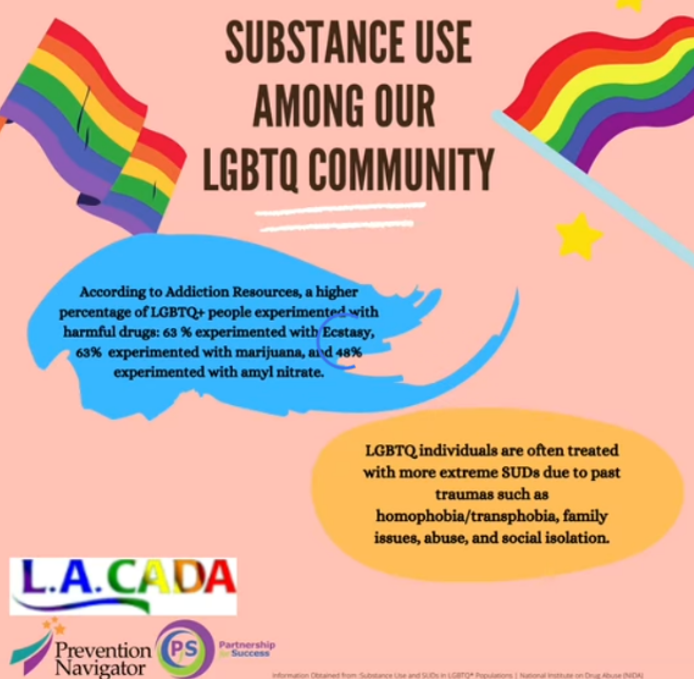
LGBTQ+ individuals use drugs/alcohol to block pain felt from bullying and harassment. Hurtful words and actions cause addictive behaviors and decline.
- 2X as many LGB as heterosexual adults — and 4X as many transgender as cisgender adults — have a substance use disorder.
- LGBTQ+ adults have a higher rate of addiction compared to hetero counterparts. A 2018 National Survey on Drug Use and Drug Health found 9% of LGBTQ individuals are more likely to use opioids than 3% of straight people.
- 4% of LGBTQ adults reported drinking alcohol in comparison to 10.1% of the overall population.
- Much higher drug use was found in LGB high school youth compared to straight peers.
HOMELESSNESS AND UNEMPLOYMENT
Homelessness is especially common among LGB youth uncomfortable with unaccepting parents or whose parents kick them out. Sexual minority members have mental disorders due to rejection and discrimination, making it difficult to find a job and shelter.
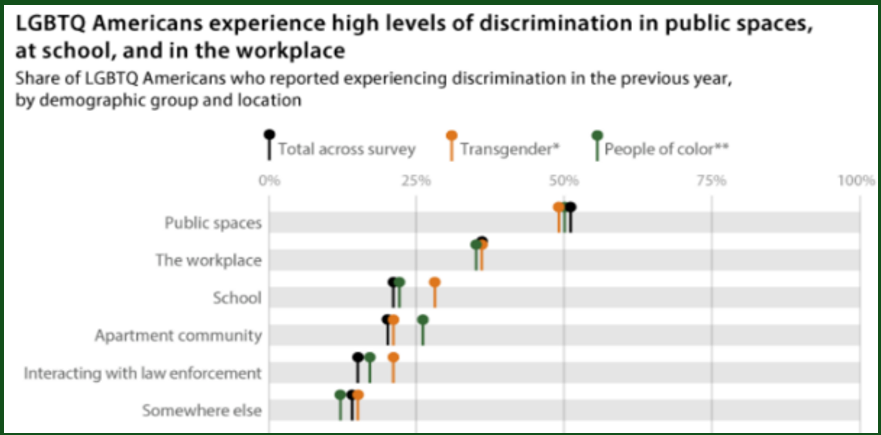
Homelessness is especially common among LGB youth uncomfortable with unaccepting parents or whose parents kick them out. Sexual minority members have mental disorders due to rejection and discrimination, making it difficult to find a job and shelter.
UCLA School of Law Williams Institute research on LGBTQ+ homelessness is a major US issue.
Source for three charts: Youth Risk Behavior Survey, CDC
They’re less accepted at homeless shelters — or experience harassment and abuse there. Trans individuals are either rejected from the many “gendered” shelters or targets of assault if staying at a shelter not matching their gender identity.
- 40% of homeless youths identify as LGBTQ+.
- LGBTQ+ adults are likely to be 14%-45% of those using housing programs or homeless drop-in centers or approached as street outreach clients.
- LGBTQ+ youth and young adults have 120%higher risk of homelessness — often due to family rejection or discrimination. Especially high among Black LGBTQ+ youth.
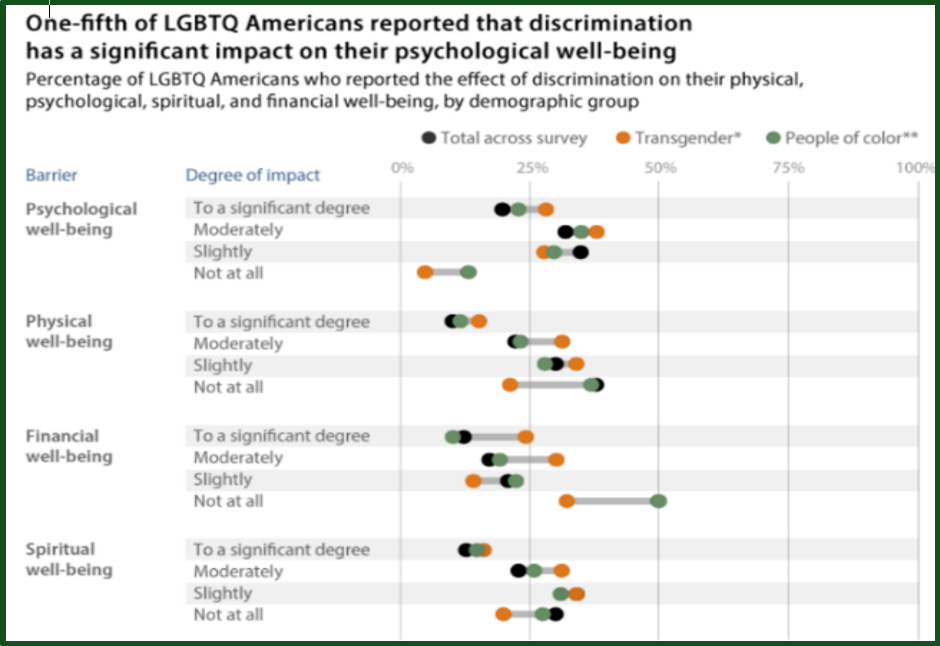
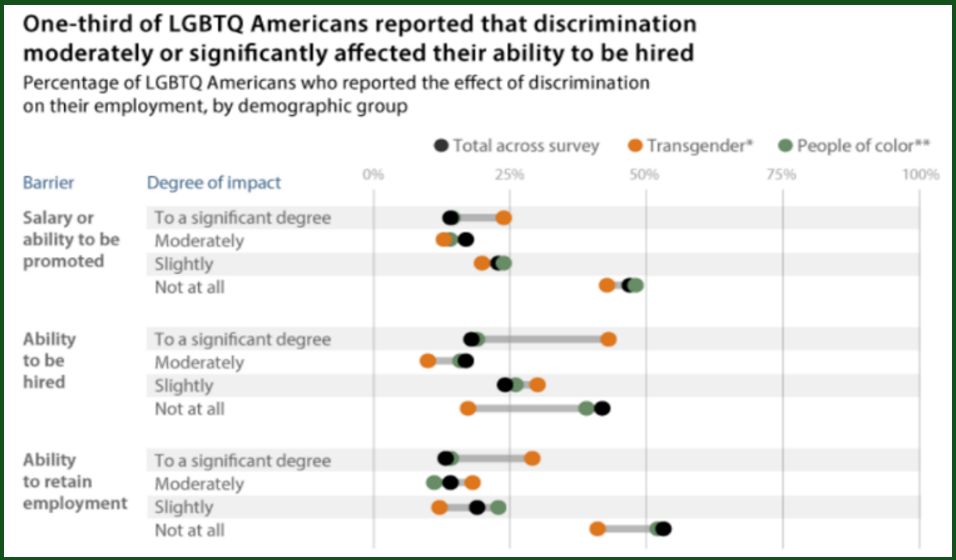
The Human Rights Campaign found the following about LGBTQ+ workers:
- 84% have come out to at least one person in their current job, compared to 54% in the 2018 report A Workplace Divided.
- 40% have withheld their identity at work due to fear of stigma or facing violence.
- 35% have heard colleagues make jokes or negative comments about gay, lesbian, or transgender people.
- 31% say colleagues seem uncomfortable when they talk about their sexual orientation.
- 45% of transgender and non-binary workers say their colleagues seem uncomfortable when they talk about their gender identity.
- 54% of transgender and non-binary workers say they’ve felt unhappy or depressed at work.
Coping with Minority Stress
Therapy is essential to deal with the chronic, debilitating impact of minority stress [see post 27], both medication and forms of therapy tailored to individual needs. Other ways to cope include:
- Finding and joining community groups and affirming networks that show pride in their collective identities and offer resources, encouragement, and friendship
- Practicing self-care by engaging in healthy behaviors, with regular and enough sleep, regular exercise, calming exercises/mindfulness, and good nutrition.
- Seeking help from other people — family, coworkers, friends — who are likely to be open and compassionate, who will want to help you attain your goals.
Advocacy for LGBTQ+-Friendly Policies
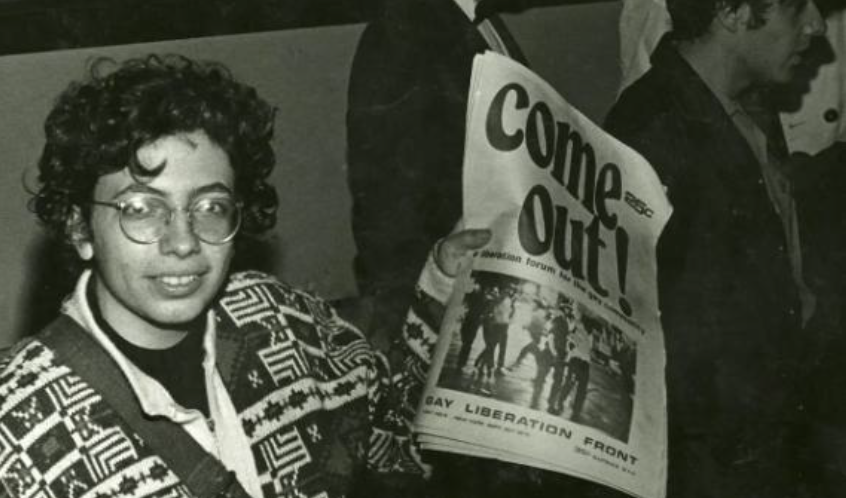
Martha Shelley sells Gay Liberation Front paper during Weinstein Hall demonstration, 1970, New York Public Library. Photo: Diana Davies. BuzzFeed
What a victory to see same-sex marriage passed into law. But backlash is often fierce. Discrimination against nonbinary and trans people has increased out of proportion to the size of the population, making life dangerous to live openly. Protecting and expanding freedom to live, dress, be respected at work, at school, and in public spaces requires allies to advocate for justice and equality. This is a powerful reason for the LGBTQ+ community to be part of the larger neurodiversity movement—to benefit from the many ways advocates seek to change laws and educate the healthcare industry/medical/legal profession and protect all those who couldn’t possibly wage effective individual battles. I’ll end with a barrier to living a free and open life that has somehow symbolized the divisions in our country.
For many nonbinary people, using either the women’s or the men’s restroom might feel unsafe, because others may verbally harass them or even physically attack them. Nonbinary people should be able to use the restroom that they believe will be safest in. You can help support nonbinary people by accepting their judgment about where they feel most comfortable when dealing with spaces based on binary gender distinctions. — Advocates for Transgender Equality (A4TE)
Coming Up Next
In Post 26: LGBTQ+ Identity and Expression, I continue exploring the LGBTQ+ community to help the straight world better understand the diversity within the community and why being connected to the larger neurodiversity community makes sense in terms of the effects of trauma and discrimination on mental health and wellbeing. Advocating for rights knows no boundaries.
Sources
Copyright ©2026 Jan Swan
 English