On Neurodivergence and Otherness
Show Table of Contents
INTRO
1. On Neurodivergence and Otherness: An Introduction
SENSES AND SENSORY SENSITIVITIES
2. Senses Count
3. Neurobiology for Dummies
4. Sensory Transmission and our Reward System
5. Sensory Receptors are the Body’s Cellular Plan
6. A Synthesis: Sensory Systems and our Emotions — Part I
7. A Synthesis: Sensory Systems and our Emotions — Part II
8. Sensory Disorders and Sensitivities
9. Etan’s Story
SYNESTHESIA
10. Synesthesia: Difference, But Not Disorder
11. Synesthesia, Creativity, Artistry — Part I
12. Synesthesia, Creativity, Artistry — Part II
AUTISM AND THE NEURODIVERSITY MOVEMENT
13. From “Mental Defectives” to Autism Spectrum Disorder
14. Changing Conception of Autism
15. Autism Diagnoses and Behavior Patterns
16. Autism Treatments that Help
17. Early Start Autism Treatment: A Case Study
18. Neurodivergence and the Neurodiversity Movement
19. Neurodiversity Takes Flight
20. ADHD and Neurodevelopmental Disorders
21. ADHD: A Preponderance of Risk Factors and Symptoms
22. ADHD: Inattentive, Impulsive … and Hyperactive?
23. ADHD: Named, Renamed, Still Needs a New Name
24. ADHD: Treatment and Coping Skills for All Ages
LGBTQ+
25. Neurodiversity and the LGBTQ+ Fight
26. LGBTQ+ Identity and Expression
27. LGBTQ+ and Mental and Behavioral Healthcare
ON LANGUAGE
28. Language Matters In and Around Neurodiversity
29. Neuroinclusion and Disability Language
30. Neurodivergent Language Difficulties
ON CREATIVITY AND GIFTEDNESS
31. Neurodiversity and Creativity
32. Giftedness is a Piece of Neurodivergence
SELF-IDENTITY
33. Self-Identity: The Cornerstone of Neurodiversity
34. Early Theories of Self-Identity Formation
35. Contemporary Theories of Self-Identity Formation
36. Authenticity and the Search for Self
37. Self-Schemas and Neurodivergence
38. Self-Labeling and Parts Work
39. Complexity, Clarity, and Self
IMPROVING LIFE FOR NEURODIVERGENT PEOPLE
40. Empathy Recognizes and Navigates Difference
41. Reducing Neurotypical-on-Neuroatypical Conflict – Part I
42. Reducing Neurotypical-on-Neuroatypical Conflict – Part II
43. Communicating Across the Neurospectrum – Part I
44. Communicating Across the Neurospectrum – Part II
45. Neurodiversity: Advocacy and Education
46. Neuroinclusion in the Workplace
47. A Neurodiverse Lifestyle
IN CONCLUSION
48. In Conclusion: Neurodivergence and Inspiration
17. Early Start Autism Treatment: A Case Study

Controversy arises, in part, from denying invested groups a voice in what directly affects their lives. The autism community were never considered by all the scientists, clinicians, and healthcare establishment in developing diagnoses and treatments. It all happened to them, not with them. This motivated isolated autistic people around the globe to find one another and create community. That community has pushed back hard on psychiatric wisdom. They’ve protested against DSM-5 autism criteria, words like abnormal and disorder, applied behavior analysis (ABA) therapy, and attitudes and interventions that don’t represent them.
Photo: iStock by Getty Images
Twenty years ago, early autism treatments were invasive and paternalistic. But programs have evolved and improved. Less skilled practitioners may feel the end goal is mainstreaming autistic children, but this too is changing.
- Support programs must build consensus among advocates, families, and providers, so they’re humane, effective, and highly sensitive to the needs of the child.
- The child will do better with early intervention. The evidence is clear on this point: the earlier the better. Where advocates can help is defining what success looks like.
As we advance in understanding and identifying [autism], it is crucial to balance recognizing neurodiversity and providing timely and effective support for individuals with ASD and their families. By addressing these challenges and embracing new research, we can continue to improve the lives of those affected by [autism]. — Chiugo Okoye, et al., “Early Diagnosis of Autism Spectrum Disorder,” PubMed/NIH
Early Start Denver Model (ESDM): A Case Study
ESDM is an intense behavioral intervention for autism. It takes place across a child’s settings for at least 10-15 hours/week and aims to improve their developmental outcomes by teaching life skills — cognitive, social communication, and engagement — and by addressing behavioral challenges.
Based on applied behavioral analysis (ABA) principles, ESDM was designed in the 1980s by developmental psychologists/professors Sally Rogers (UC Davis) and Geraldine Dawson (Duke University). But unlike ABA, ESDM is considered a naturalistic developmental behavioral intervention (NDBI). This means:

Source: Autism Eye, UK
- It’s more child-directed and more naturally occurring than traditional ABA.
- Therapist and child share control with child-initiated activities. The adult (therapist or parent) follows the child’s interest, not the other way around.
- It takes place in natural settings (child’s home or classroom).
- It uses developmentally appropriate teaching strategies.
- It uses natural contingencies. The intervention is focused on real-life relationships between behavior and consequence, not experimental ones devised in a lab by researchers. This helps researchers understand what reinforces certain behaviors in daily environments, while providing insights into a child’s development.
Meet Eddie
Vasily and Margarita Shchegolev talk about their son in “Autism Diagnosis: Eddie’s Story,” Source Kids Spring Magazine and Autism Awareness Australia.
Diagnosed at 2½ with autism and global developmental delay (significant delay in 2+ areas), Eddie is 5 now. He lives in Sydney with his parents and older sister Diana and attends preschool twice a week. He participates in ESDM individual/group therapy and speech/ occupational therapy, which Vasily and Margarita credit for contributing to his personal growth evident in his thriving social life. Eddie has made friends at preschool and is frequently invited to birthday parties. Next year, he’ll attend the mainstream school his sister attends.

The Shchegolev family: Vasily, Eddie, Diana, and Margarita. Source: Autism Awareness Australia
Eddie developed typically until 16 months, when he began showing worrisome changes. He stopped responding to his name, started lining up his toys with unusual precision, and became fascinated by repetitive actions, like pressing the same toy button over and over. His parents observed him tip-toe walking, spinning in circles, flapping his hands, and using my hand to point or reach, rather than pointing himself. Words he once said with ease vanished from his vocabulary. Today, we recognize these as early signs of autism. But back then, they seemed like characteristics unique to Eddie’s development. —Vasily and Margarita Shchegolev, Autism Awareness Australia
Vasily and Margarita decided to be open to encourage other parents navigating a similar path not to wait to receive supports — not only for the child, but for the whole family. Eddie’s mother emphasized this openness can lead to unanticipated support and valuable resources, as it did for them.

Reaching a state of acceptance is a critical step. We found solace and guidance in reputable organizations, like Autism Awareness Australia and Raising Children Network Australia. These institutions offer invaluable resources for parents embarking on their autism journey, helping in crafting the necessary support systems for their child. — Margarita
As unsettling as the original diagnosis was for Eddie’s parents, they felt some relief knowing what was going on. They did their own research and soon recognized the benefits of early intervention — Eddie was started on ESDM and other treatments once they understood autism doesn’t come with a magic cure.
Instead of seeking questionable and elusive solutions, we focused on scientific evidence-based therapies. We were fortunate to connect with great and caring specialists who not only offered Eddie the best interventions, but also equipped us with tools and insights to better understand and support him. —Vasily

For a child with autism, with strong visual processing skills, visual schedules can be more accessible and easier to understand than verbal instructions alone. Chicago ABA Therapy
Post-diagnosis, the Shchegolev’s immersed themselves in understanding autism, its therapeutic approaches, and the significance of early intervention, specifically seeing the value of NDBIs. Vasily quit his accountant job, Margarita shifted from a child development job, and both became autism advocates and co-founders of the Rise High Therapy Clinic, Sydney. They also became certified ESDM therapists, which became their clinic’s specialty.
Two young parents thought their life courses were set — both had good careers, one little girl, one little baby boy — and then it was turned on its head. Instead of despair, however, they saw Eddie’s autism as an opportunity for the family to embrace the challenge together.
This is often not the case. I met a young man whose marriage crumbled from the strain of his autistic child who rejected him and his wife who further pushed him away. It wasn’t a happy situation. Ultimately he left.
Eddie is lucky, but his parents assert they’re the lucky ones. Vasily says, “I see this as a journey of passion, commitment, and a deep desire to make a positive difference in the autism community.”
It’s important to listen to your intuition. If something feels wrong, or if you notice your child isn’t reaching developmental milestones, take action without delay. Caution is vital. The landscape of autism is riddled with therapies lacking scientific backing. Opting for unproven methods not only risks causing harm but also wastes precious time….
Margarita and I come from a cultural background, where disability, often hidden behind closed doors, can be seen as taboo. Yet, in Australia, we found a different narrative. By initiating conversations about autism, we discovered that understanding and support were more abundant than we anticipated….
The mystery surrounding autism’s origins and intricacies remains, but one thing stands clear: children with autism are amazing. They come with a unique blend of challenges and talents, often revealing abilities that leave us amazed and inspired more than anything. Embrace and celebrate these moments of discovery. —Vasily and Margarita Shchegolev, Autism Awareness Australia
ESDM Effectiveness Study
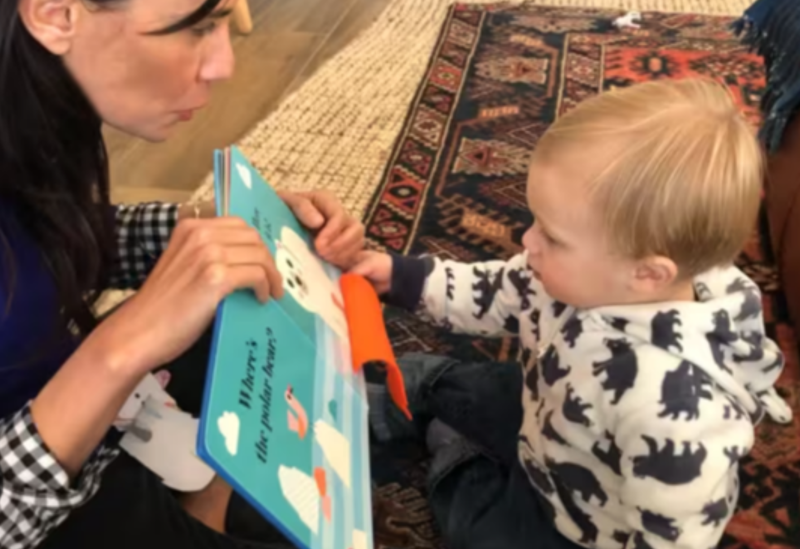
A 2010 study of ESDM’s effectiveness was the first ever randomized control trial (RCT) — research’s gold standard — devoted to very young children (18–30 months) diagnosed with autism. Children with the ESDM intervention (treatment group) were compared to children receiving community intervention (control group).
Photo: Videos on how to use ESDM and attract and engage toddlers with books, Dr. Laurie Vismara, Vimeo. Sources for this section: Autism Awareness, Autism Speaks, Autism Science Foundation, PubMed/NIH, and Applied Behavior Analysis, Denver Model.
The RCT had positive outcomes:
- ESDM group showed significantly improved intelligence quotient (IQ), adaptive behavior, and autism diagnosis compared to the control group.
- Improvements persisted after two years. ESDM group’s adaptive behaviors were like typically developing children. Control group showed greater delays.
- Compared to control group, ESDM children were “re-diagnosed” with a milder form of autism, with some but not all characteristics, such as communication/social impairments and stereotype, repetitive behavior.
- ESDM was recognized by the U.S. Agency for Healthcare Research and Quality (AHRQ) for significant improvements in cognitive, language, adaptive behavior, and social outcomes, as well as normalized brain responses to social stimuli.
If one studies autism and its associated treatments, they will quickly learn that most behavioral therapies have the most success when they are begun early in an individual’s life. ESDM is a valuable therapy approach that can be started in a child’s life between 12-48 months. For parents or caregivers with children who have been diagnosed in their little years with some form of ASD, ESDM is often the choice of behavioral therapy that is first pursued. —Applied Behavior Analysis, Denver Model
Pushing Back on the Pushback
Alycia Halladay, PhD, chief science officer, Autism Science Foundation, believes it can harm autistic children for parents and doctors to doubt the use of intensive behavioral intervention.
I am very afraid that the result of these scientific debates on type and brand and magnitude of effect will lead to a distrust in early intervention for symptoms of ASD. I think all the back and forth may be clouding the message to families about the importance of early intervention. The magnitude of the effects is variable, they may not be monumental, but early behavioral intervention is important.
Have faith that behavioral interventions have improved over the years, if you get the opportunity to enroll your child in a program or study that examines one of these named interventions, take it, and realize that your participation will improve the gains your child will make in the short and the long term.
Parents and family members who read about this controversy should not be dissuaded from enrolling their children in ESDM programs or any other naturalistic developmental behavioral intervention (NDBI) program. —Alycia Halladay, “Why is There Controversy with Early Start Denver Model?,” Autism Science Foundation

Halladay adds, “I would be thrilled if my daughter had access to any one of these named interventions. Many programs have been adapted to be parent-delivered” so they can reinforce at home what happens in therapy sessions, how to promote or redirect behaviors. Due to short- and long-term cognitive gains in young children who received ESDM, subsequent costs of their autism services were lower after they left the study.
Ten years later, the same researchers published a follow-up. There were many nuanced findings I won’t go into, but this time they started with even younger and more diverse children and added a refined parent coaching phase.
Unlike the 2010 study, no differences in improvements in cognitive ability, adaptive behavior, and autism severity showed up between treatment and control groups.
Why? Because both groups showed improvement — the improved branded program influenced design of the community-based program, so everyone benefited. The only significant change was gains in language ability in the treatment group. Halladay notes, “Not all families live in communities that provide high levels of early intervention. We have to … make sure all children in all communities get access to evidence-based early intervention.”
Other NDBIs
There are now several validated, evidence-based NDBIs like ESDM using ABA principles where few existed before 2010. One is JASPER (joint attention, symbolic play, engagement, and regulation), a play-based intervention teaching social communication skills to young autistic children. Another is SCERTS (social communication, emotional regulation, and transactional support), a comprehensive intervention for children and older individuals with autism and their families. Program brands are available to parents depending on what’s available in their community or research going on in nearby universities.
Minority Stress and Autism
Minority stress is a serious, chronic form of mental/psychological stress — involving depression, anxiety, PTSD, self-harm, and suicidal thoughts — that’s a constant presence in the lives of minority populations, including autism [see post 25 about minority stress and the LGBTQ+ community]. According to “Minority Stress Model: What it is and Why it is Important, Medical News Today, Mandy French writes, “However, racial minority groups and other stigmatized ND groups, like those with autism, can also experience minority stress.” French cites a 2018 study that found mental health issues relating to autism may not directly occur due to the condition, but may result from stigma and discrimination surrounding autism:
Research into autism and mental health has traditionally associated poor mental health and autism as inevitably linked. Other possible explanations for mental health problems among autistic populations have received little attention. As evidenced by the minority disability movement, autism is increasingly being considered part of the identities of autistic people. Autistic individuals thus constitute an identity-based minority and may be exposed to excess social stress as a result of disadvantaged and stigmatized social status. —Monique Botha, et al., “Extending the Minority Stress Model to Understand Mental Health Problems Experienced by the Autistic Population,” 2024, Sage Journals [emphasis added. Read “Minority Disability Movement” as “Neurodiversity Movement”]
With more research and awareness, the science and healthcare communities will hopefully incorporate minority stress into research and clinical practice in understanding, treating, and supporting ND individuals. The specific promise here is for autism treatments to focus as much on the debilitating effects of minority stress as on the more practical concerns of daily living, so people with autism feel proud and hopeful and not socially awkward or a burden to society.
Coming Up Next

In Post 18. Neurodivergence and the Neurodiversity Movement, I’ll talk about how the neurodiversity movement, as led by those with autism for the autistic community, grew to encompass many other neurodivergent conditions — like ADHD. Over this next decade, we will see seismic changes in how traditional medical and psychiatric models will be deconstructed and reconstructed in response to research breakthroughs and powerful, compelling advocacy buoyed by new evidence.
Copyright ©2026 Jan Swan
 English