On Neurodivergence and Otherness
Show Table of Contents
INTRO
1. On Neurodivergence and Otherness: An Introduction
SENSES AND SENSORY SENSITIVITIES
2. Senses Count
3. Neurobiology for Dummies
4. Sensory Transmission and our Reward System
5. Sensory Receptors are the Body’s Cellular Plan
6. A Synthesis: Sensory Systems and our Emotions — Part I
7. A Synthesis: Sensory Systems and our Emotions — Part II
8. Sensory Disorders and Sensitivities
9. Etan’s Story
SYNESTHESIA
10. Synesthesia: Difference, But Not Disorder
11. Synesthesia, Creativity, Artistry — Part I
12. Synesthesia, Creativity, Artistry — Part II
AUTISM AND THE NEURODIVERSITY MOVEMENT
13. From “Mental Defectives” to Autism Spectrum Disorder
14. Changing Conception of Autism
15. Autism Diagnoses and Behavior Patterns
16. Autism Treatments that Help
17. Early Start Autism Treatment: A Case Study
18. Neurodivergence and the Neurodiversity Movement
19. Neurodiversity Takes Flight
20. ADHD and Neurodevelopmental Disorders
21. ADHD: A Preponderance of Risk Factors and Symptoms
22. ADHD: Inattentive, Impulsive … and Hyperactive?
23. ADHD: Named, Renamed, Still Needs a New Name
24. ADHD: Treatment and Coping Skills for All Ages
LGBTQ+
25. Neurodiversity and the LGBTQ+ Fight
26. LGBTQ+ Identity and Expression
27. LGBTQ+ and Mental and Behavioral Healthcare
ON LANGUAGE
28. Language Matters In and Around Neurodiversity
29. Neuroinclusion and Disability Language
30. Neurodivergent Language Difficulties
ON CREATIVITY AND GIFTEDNESS
31. Neurodiversity and Creativity
32. Giftedness is a Piece of Neurodivergence
SELF-IDENTITY
33. Self-Identity: The Cornerstone of Neurodiversity
34. Early Theories of Self-Identity Formation
35. Contemporary Theories of Self-Identity Formation
36. Authenticity and the Search for Self
37. Self-Schemas and Neurodivergence
38. Self-Labeling and Parts Work
39. Complexity, Clarity, and Self
IMPROVING LIFE FOR NEURODIVERGENT PEOPLE
40. Empathy Recognizes and Navigates Difference
41. Reducing Neurotypical-on-Neuroatypical Conflict – Part I
42. Reducing Neurotypical-on-Neuroatypical Conflict – Part II
43. Communicating Across the Neurospectrum – Part I
44. Communicating Across the Neurospectrum – Part II
45. Neurodiversity: Advocacy and Education
46. Neuroinclusion in the Workplace
47. A Neurodiverse Lifestyle
IN CONCLUSION
48. In Conclusion: Neurodivergence and Inspiration
24. ADHD: Treatment and Coping Skills for All Ages

Frederic Leighton, Flaming June, 1895, oil on canvas
I begin this post on coping skills with a lovely Victorian painting by English artist Sir Frederic Leighton because getting a restful sleep is top of my list for coping with anything. Then there’s the soothing stimulation of the visual and olfactory senses with the flower arrangement that will greet her when she awakes. Behind her place of repose is the Mediterranean Sea. The light reflected on the water suggests dusk or dawn, but either way soft breezes are no doubt coming through the open window, wrapping her in sensory oblivion. Her rounded form tells me deep sleep came easily — no tensed muscles, no tossing and turning, no stressful thoughts, no distractions.
Somehow this scene makes me believe a simple meal will greet her when she arises, followed by a walk on the beach. In nature, getting exercise, and avoiding the clamorous world just minutes away from the villa.
Healthy Habits Help Us Cope
We may not believe healthy habits will work for us, or we’re just not willing to try. Being told to go to sleep and wake up at the same time every day is annoying with repetition. Besides, it’s not practical. We need to eat more nutritional food and less takeout. And exercise. There’s not a single condition or illness that wouldn’t be improved by exercise, even when it hurts. Are these bulleted lists meaningless?
My focus is on what we can do, in addition to medication and therapies, at home, every day, to reduce the intensity and frequency of ADHD symptoms. Doing these things results in lower stress and greater motivation to perform as we’d like to, like building social skills, working at something that interests us, or getting healthier:
- Stress-reducing activities, like breathing exercises, listening to music, journaling, walking in nature, getting enough exercise
- Engaging the senses, like aromatherapy with lavender, super fresh ingredients with varied textures and smells, massage.
- Asking for support, especially for practical help in organizing or structuring work-related activities. Too many adults, especially men, don’t take this advice. And one of my sons is more closed off than the other—can’t or won’t call on people or services that might help.
- Celebrating difference and planning for the future you want. The celebration is our right to live an independent life. If ADHD, along with comorbid mental disorders, prevents us from taking risks, finding a dream job, a dream mate, or any other goal we set for ourself, that would be the opposite of celebration. That would be defeat.
ADHD Treatment for Every Age Group
While there’s no cure for ND conditions, treatments are effective in reducing symptoms. Without diagnosis and treatment, ADHD problems can increase from childhood to young adulthood and are hard to manage by medication alone.
Most treatment programs take a multi-disciplinary, holistic approach to provide mental/medical healthcare and school/work accommodations. For students, this includes supports mandated by the Independent Education Program (IEP). For adults, this can include accommodations under the Adults with Disability Act (ADA). Most people need these supports at least periodically over long intervals — to help them cope with skills deficits and other related challenges. Therapies can improve:
- Attentional difficulties, anger/impulse control problems
- Organizational, problem-solving, time-management difficulties
- Learning disorders/academic difficulties, coping with past academic, work, social failures
- Social skills/self-esteem difficulties — relationships with family, students/co-workers, friends
- School observation/consultation, including IEP planning and school placement issues
Anxiety, depression, other comorbid mental health conditions
Medication
Stimulants are usually the first-choice medication for treating ADHD for any aged person. They work by increasing/balancing levels of neurotransmitters in the brain. The right medication and dose vary per individual, as do side effects. Stimulants are also controlled substances, and many medical doctors are reluctant to prescribe them — it’s best to work with a psychiatrist or psychopharmacologist.
he most common stimulants work by increasing dopamine levels in the brain [see post 21], and include: amphetamine (Adzenys, Dyvanel), dextroamphetamine (Dexadrine, ProCentra, Zenzedi), dexmethylphenidate (Focalin), lisdexamfetamine (Vyvanse), methylphenidate.
Photo: iStock
When stimulants aren’t an option (health problems, side effects), other medications can treat ADHD (non-stimulant atomoxetine and certain antidepressants such as bupropion, desipramine, or venlafaxine/Effexor) — though they tend to work slower.

Cognitive-Behavioral Therapy (CBT)
CBT is a structured type of psychotherapy with solid evidence of its effectiveness in helping people manage ADHD on their own, over the long term. It aims to identify and change self-destructive or unhealthy thoughts, feelings, and behaviors. Because they’re linked, altering one can alleviate difficulties in the others. CBT teaches skills to cope with major life events, correct faulty thinking patterns, and deal effectively in socializing or relationships. It’s designed to help children and their parents, teens, and young adults replace ways of living that do not work well with those that do.
CBT works well with medication and other therapies, especially to address comorbid depression, anxiety, sleep problems, or substance misuse.
ADHD Treatment for Children

Photo: Vecteezy
Parent behavioral training helps parents manage children who are disruptive at home. MATCH-ADTC (Modular Approach to Therapy for Children with Anxiety, Depression, Trauma or Conduct problems) is a step-by-step set of instructions, activities, tips, and handouts that can be adapted for each child.
Organizational skills training (OST) is a behavioral intervention tailored to each child. Evidence supports OST’s effect on improving organizational skills, attention, and academic performance in children as young as age 6.
Executive functioning (EF) training can reduce the EF developmental gap and improve short- and long-term academic and occupational functioning. It teaches children strategies and coping skills and trains their parents to reinforce these skills in activities at home.
ADHD Treatment for Adults
Adults with ADHD can act unpredictably, forgetting appointments, missing deadlines, making impulsive or irrational decisions. Therapy helps check behavior and develop conflict resolution and problem-solving skills.
Psychological counseling includes psychotherapy, education about the disorder, and skills-building to navigate the workplace and help in relationships and social settings.
Marital counseling and family therapy can help those living with someone with ADHD lower stress, find constructive ways to help, and get better at communication and problem-solving. Therapy and classes in which family members learn more about ADHD significantly improves relationships.
Little or No Evidence of Effectiveness


Doctors and psychologists warn us to be alert to ineffective treatments, no matter what social media defends or vendors sell. We need to put our faith in science. Without scientific evidence for things being effective, we shouldn’t spend time and often a lot of money to do something because it’s popular. For ADHD, this can include sugar elimination diets (which is still a healthy thing, but doesn’t do anything for ADHD symptoms), ditto reducing food additives, and high-dose vitamins.
In the realm of psychotherapy, long-term “talk therapy” or cognitive therapy without behavior modification don’t help with ADHD symptoms. Neither does biofeedback, neurotherapy, or sensory integration therapy (designed to help with sensory processing disorder).
Sometimes it’s helpful to flip the script and note what NOT to do. Medical writer Hope Cristol, WebMD, provides a good list of things that don’t work and why (edited for brevity, paraphrased, adding my two cents as well):


- Antidepressants that are selective serotonin reuptake inhibitors (SSRIs) boost serotonin levels but aren’t effective for ADHD. Together with stimulants, however, they can treat comorbid mental health conditions, like anxiety and depression.
- Therapy without medication: ADHD is a neurological disorder with strong genetic origins. It requires medication to reduce symptoms. Therapy with behavior modification (notably, cognitive-behavioral therapy) helps with life skills and coping skills.
- Caffeine: As a stimulant, caffeine can increase dopamine levels, but, for people with ADHD, can cause agitation and anxiety. A study found stimulant medications were more effective.


Photos: SDI Productions / Getty Images, iStock, Shutterstock
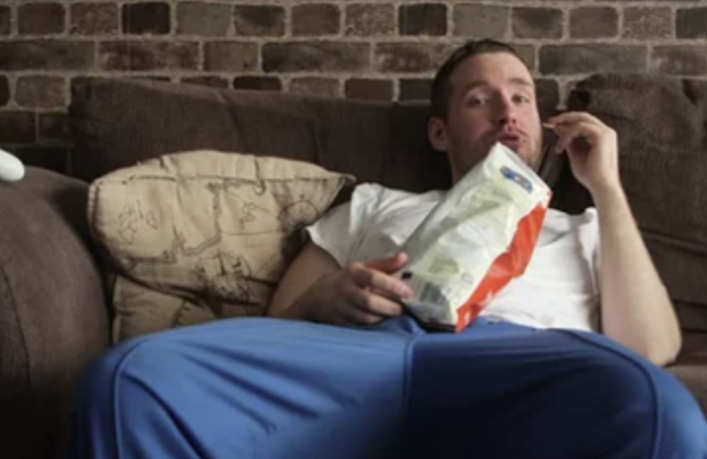
- Be a couch potato: This is a sneaky way of circling back to exercise, by saying you should get off the couch. Physical activity improves memory and helps with decision-making, learning, and focus. Hazy memory or brain fog are linked to ADHD — evidence from international studies identified a strong correlation between long COVID and ADHD and other neurodevelopmental disorders.
- Eating out often: Cooking in takes mental effort for those with ADHD, with all the planning, shopping, and prepping that goes into it. While it’s easier to go out or bring in, food from restaurants (especially junk food) is packed with calories, sugar, salt, and fat, and with not enough fruits and vegetables.
- Skipping breakfast: ADHD can worsen if you skip breakfast. A light nutritional breakfast (even yogurt and blueberries and banana) makes it easier to handle social situations, think, and keep focused longer early in the day.
- Lack of sleep: Back to the reposing lady in orange, shorting yourself on sleep makes the day so much harder to do anything. But ADHD stimulants can cause sleep problems, and so can comorbid anxiety and depression. Poor sleep can also worsen symptoms like lack of focus and problems with motor skills. For anyone with ADHD, this must become a priority.

Photos: LinkedIn, Shutterstock
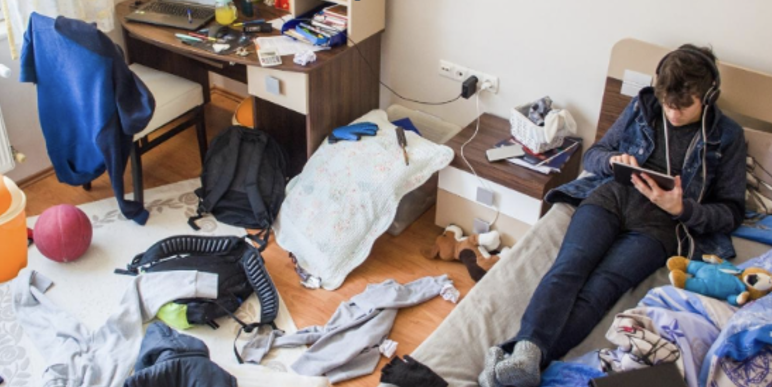
- Messy homes and offices: Research suggests clutter and messiness reveal a creative mind. But disorder mostly makes ADHD symptoms worse, by causing sensory overload and zapping motivation. Clearing clutter can make you more productive and ease stress. It’s also a solid accomplishment.
- Wrong meds: ADHD meds don’t work well if you have substance abuse problems. Drugs for major depression can make ADHD worse. Some ADHD medications can make anxiety worse. The only way through is complete candor with your doctor or psychiatrist. Photo: LinkedIn
- Too Much Screen Time: Most of us are addicted to our electronic devices. But there seems to be a link between ADHD and incessant screen time. What’s not known is what problem gives rise to the other. There is solid evidence for one thing: screen time before bed can disrupt sleep, which does make ADHD symptoms worse.
- Quitting Therapy: If therapy + medication works, it’s important to stick with it and not quit once ADHD appears to be well managed. But research shows it’s the combination that helps ADHD. Personally, I hope my son who’s open to therapy considers therapy + meds as his “insulin” for life.
A touch of irony. After absorbing this list, I found the next item on another site — a contradiction of Cristol’s useful information. I’m not citing it here since it’s not particularly credible. You be the judge. This is a direct quote:
- Not Enough Caffeine: “If you have ADHD, your coffee or tea habit may make your symptoms better. So, it stands to reason that kicking the habit could make you feel worse. The caffeine in tea could make you more alert, help you focus, and help your brain work better. It can also give your working memory a boost. If your doc says it’s OK to have caffeine, enjoy it!”
My Sons’ Cope-One-Day-at-a-Time Strategy
In thinking about Hope Cristol’s list of don’ts, I hope my sons don’t give up on finding meds that work for ADHD. Here’s why they’re both unable to treat their ADHD most effectively:
- Jaden has bipolar disorder. Stimulants and most antidepressants are known to trigger mania, the most damaging phase of this illness. While there are some meds on the market that aren’t stimulants, they don’t work as well. I’ll be checking to find out what’s in development. It doesn’t seem to be clear to his psychiatrist which of his symptoms are BP and which ones are ADHD.
- Etan has anxiety and sleeping problems. He has taken himself off the stimulants because he didn’t tolerate them well, like the way they made him feel, and how they kept him up at night. He, too, should probably look into the non-stimulants that can work for ADHD.
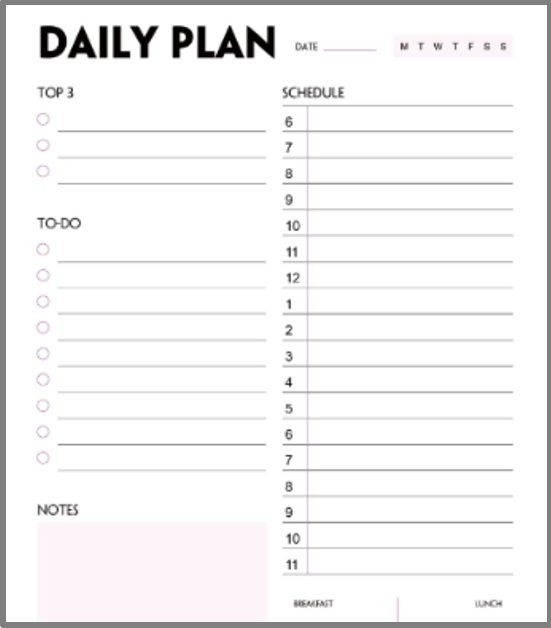
One of Etan major coping strategies is starting each day with his daily planner, which structures his time and keeps him from getting overwhelmed. His bad time is the morning—mine is late afternoon. The main point being is doing what works to alleviate anxiety and give you pride in what you accomplish, even if it’s small steps.
The main thing I do every day that comes from awareness of my difference is planning my daily routine. Without this, I am more likely to wander around in a fog and get increasingly anxious and depressed—and accomplish little. Here’s what it looks like:
I get up and walk M the dog. Then I feed M and K the cat.
I sit down with my coffee and bowl of cereal or whatever and write my daily planner.
Then I play guitar for 15-20 minutes, followed by yoga.
I work on the online course I’ve been taking, break for lunch, then do more coursework. I also work on my freelance job and on the project I’m doing with G the friend.
I’ll do my afternoon exercise, which is the ring fit thing [a workout game for the Switch], but I don’t do it every day.
Around 4:00 PM, M wants to go out, so we play catch in the park, come back, and she has dinner.
And then the rest of the day is just hanging out, making dinner, having a date, playing online videogames with my friends.
Having consistency in the morning is big, because mornings are the most stressful part of the day. I’ve actually worked through this in the last few months, and it’s been better. But from waking up to getting done with feeding M and K, it’s the most stressful part of my day. It’s incredibly stressful. High stress.
The way I’ve started to cope with that is, when I’m taking M out, I remind myself this is the only thing I have to do right now. And I don’t need to think about anything else once the planner is out. All I have to do is look at this book, if I don’t know what to do. So it’s been a huge relief. To know I’m okay. —Etan Swan




Coming Up Next

Post 25. Neurodiversity and the LGBTQ+ Fight begins the next mini-series devoted to the LGBTQ+ community. It explores difference not only in the way ND brains work but the way society treats people — sometimes with love and support and sometimes with hate and cruelty.
There’s legitimate worry the politics of the moment might push to undo rightful laws and anti-discriminatory protections — we all need to pay attention. Not just those in the trenches.
I’m sensitive to potentially misrepresenting someone’s reality, but I like to write about topics that interest me — as a way of deepening my learning. But more than that, it’s my way to express my compassion for anyone or any group targeted by the cruelty of others, especially those who hypocritically believe there’s only one way to live. Who say, “If you don’t live my way, then you threaten me. So, I need to hurt you.” The only possible response to this is, “We’re passing you by. Watch.”
Copyright ©2026 Jan Swan
 English