
The Spinning Mind
On Being Different in an Unforgiving World

Jan Swan
My Blog

On Anxiety and Panic Disorder
The most common psychological condition is anxiety. But common isn’t simple. Anxiety helped our ancestors survive. It’s the wellspring for so many mental health conditions that we may not realize its power and persistence in our lives. In this series, I cover fear vs anxiety, anxiety vs panic attacks, phobias, and research on the mind-brain-body connection.
On Neurodivergence and Otherness
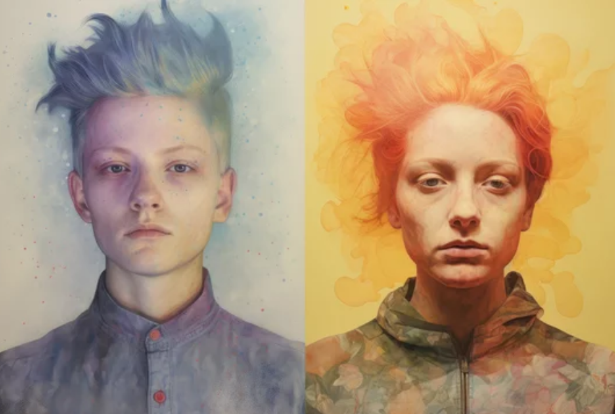
My sons are neuroatypical. I’m neurotypical. What I love about our conversations is how we’re learning to communicate better, through deepening understanding and greater compassion. In this series I explore autism and the history of the neurodiversity movement, ADHD, our sensory system, synesthesia, living with stigma in the LGBTQ+ community, and identity formation.

On Bipolar Disorder
Bipolar disorder is a complex condition that causes profound suffering and disruption. It’s also fairly common, affecting 3% of the U.S. population. It’s time to bring this serious mental illness out of the shadows. In this series, I write about my son’s experiences while exploring science and treatment — work that continues to reshape our thinking with the goal of improving the lives of those affected.

Narcissism and the Rest of Us
Narcissism is getting a lot of attention these days, but its impact on those close to narcissists is poorly understood. It’s especially troubling because the very traits that define narcissism often prevent them from seeking help. In this series, I write for the rest of us — to understand narcissism as a first step to living with it.
Forgiveness and Estrangement
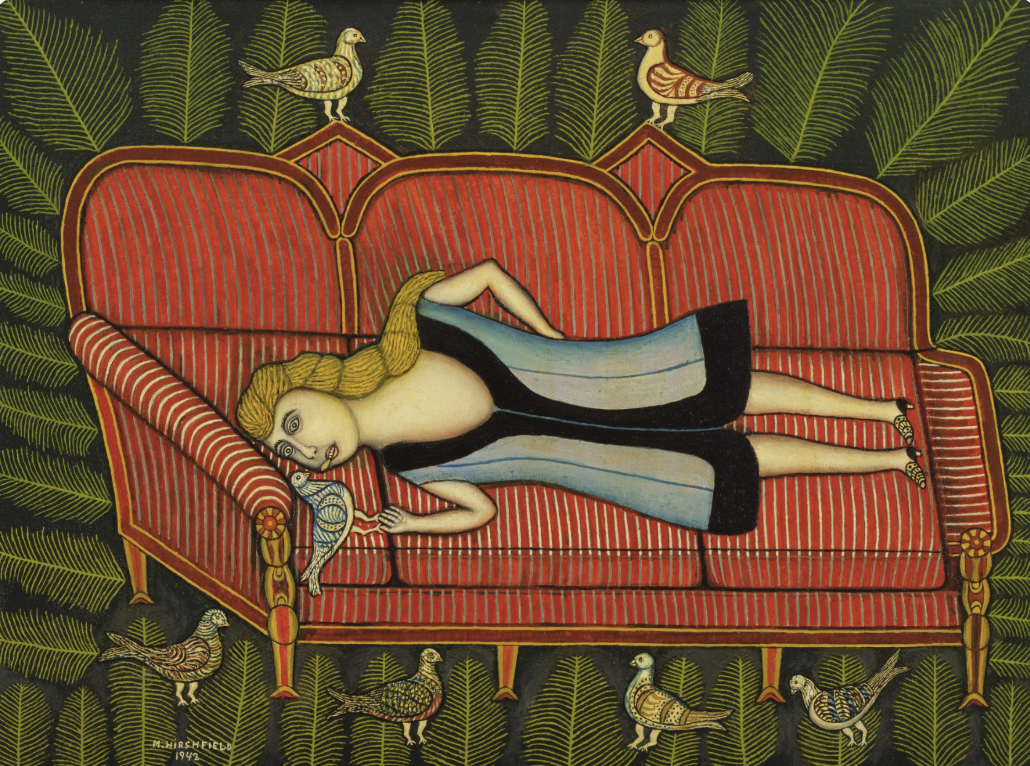
My most recent series explores some of the most painful and complicated choices we make in relationships. I consider hurt, conflict, memory, boundaries, repair, and the question many of us eventually ask: What do we do with each other after we’ve been hurt?
If there are topics you’d like to see explored in future posts, I’d love to hear your ideas: [email protected]
Glossary
The glossary accompanies the blog, with definitions oriented to the topics I cover. All words in bold are defined here. Jargon can get dense, even when it’s useful, so I try to decode scientific and psychological terminology into more accessible language. Sometimes definitions include additional terms that need defining as well, and the glossary gradually grows as ideas begin connecting in ways I didn’t anticipate.
The definitions themselves may remain fairly stable, but understanding deepens as concepts reappear in different contexts and across different series. Our experiences rarely fit neatly into categories, and neither do the ideas used to understand them.
Sometimes, I go down a rabbit hole.


About
Hi, I’m Jan Swan, a retired writer and mother of two adult sons with mental health conditions — an experience that can, at times, overwhelm our family. That’s why I’m writing this blog: to better understand mental disorders and to connect with others like me, who often find themselves at sea when coping with their own or a loved one’s struggles.
This blog brings together personal stories, research, and information drawn from web sources. I write with images and charts in mind, so you can move through the material in your own way and focus on what interests you.
I’m interested in how the mind, brain, and body work together to shape our experience. Since Freud, we’ve been learning how the mind works. More recent research highlights the role of genetics and brain chemistry in mental health — and points toward increasingly targeted treatments.
I’m not a psychotherapist, social worker, psychiatrist, neurologist, or mental health researcher. I’m an amateur reporter on a learning journey, and I’m sharing it with you.
Jan Swan is a pseudonym, used to protect my family’s privacy and allow me to write candidly about our experiences.
“You can't stop the waves, but you can learn to surf.” — Jon Kabat-Zinn
“One positive thing I can think of is creativity — this is big in ADHD people. It has enhanced my art. Another is hyperfocus when we’re in the zone. We get super focused on a task and become efficient and good workers. That’s special.” — Etan Swan
In a culture shaped by stigma, prejudice, and misinformation, I hope to help demystify and destigmatize mental illness and difference. We make more progress — individually and collectively — when we see ourselves as deserving of understanding, compassion, and support when it’s needed.
My blog is not political, but it’s difficult to ignore how often our society fails the most vulnerable among us. We can do better. It begins with understanding. That’s what this blog is about: deepening understanding, encouraging treatment, and making a case for greater humanity.
Because there are many credible sources of information about mental illness — from what it is, to how to recognize it, to what to do about it — this blog doesn’t focus heavily on “next steps.” Instead, I’ve included a short list of organizations I turn to for reliable information, support, and guidance.
These groups offer support networks, educational resources, and advocacy for people affected by mental health conditions. Many provide online and in-person support, practical information for managing symptoms, and resources for families, along with ongoing efforts to reduce stigma.
Here’s my short list (with additional sources linked at the end of each post):
Anxiety & Depression Association of America (ADAA)
Brain and Behavior Research Foundation
Cleveland Clinic Mental Healthcare
Depression and Bipolar Support Alliance (DBSA)
Harvard Health Publishing on Mental Health
International Bipolar Foundation (IBPF)
National Alliance on Mental Illness (NAMI)
Contact me
If you like my blog, have a suggestion for new topics, or have an question, please contact me. If I got anything wrong, please (kindly) let me know and I'll correct.
 English