
On Anxiety and Panic Disorders
Show Table of Contents
INTRO
FEAR VS ANXIETY VS ANXIETY DISORDERS
- Emotional Health vs Mental Health
- Fear vs Anxiety
- Personal Journeys with Anxiety and Panic Disorder
- Fear, Anxiety, and Fight or Flight
- The Evolutionary Role of Anxiety
- When Anxiety Drifts to Disorder
- The Ancient Advantage and Current Anguish of SAD
PHOBIAS, ANXIETY / PANIC ATTACKS
- Phobias and the Rapid Onset of Fear
- Specific Phobia and Agoraphobia
- Anxiety Attacks vs Panic Attacks vs Panic Disorder
- Anxiety Disorder Risk Factors and Symptoms
- Why Anxiety Goes Undiagnosed — and Untreated
TREATING AND COPING WITH ANXIETY
4. Personal Journeys with Anxiety and Panic Disorder
I tell stories of close family members and others, their mental conditions, and the impact on their families, friends, coworkers, classmates, and — importantly — themselves. And not just to inspire, but to be real. Well-meaning web resources make recovery sound like a step-by-step plan. You do this, and you will get to this place. Ultimately, I believe this, but it seems too sanitized. Real people’s stories help us see how scary it is to go through this. How in moments of true despair, you’re supposed to find the energy and motivation to turn things around — often by yourself.
I’ve paraphrased the next two stories from websites I follow, which I believe show the arc of pain, confusion, and resolve that help them get help and make progress. The first one is by Christine Wolkin, “My Journey with Anxiety and Panic Disorder,” which was posted in 2015 to the National Alliance on Mental Illness (NAMI).
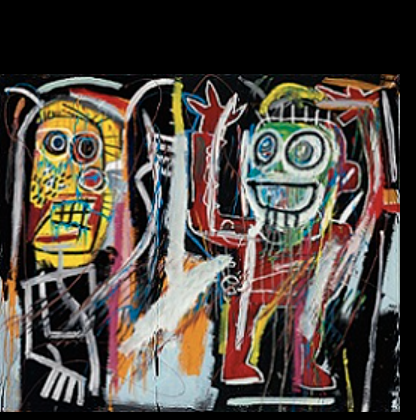
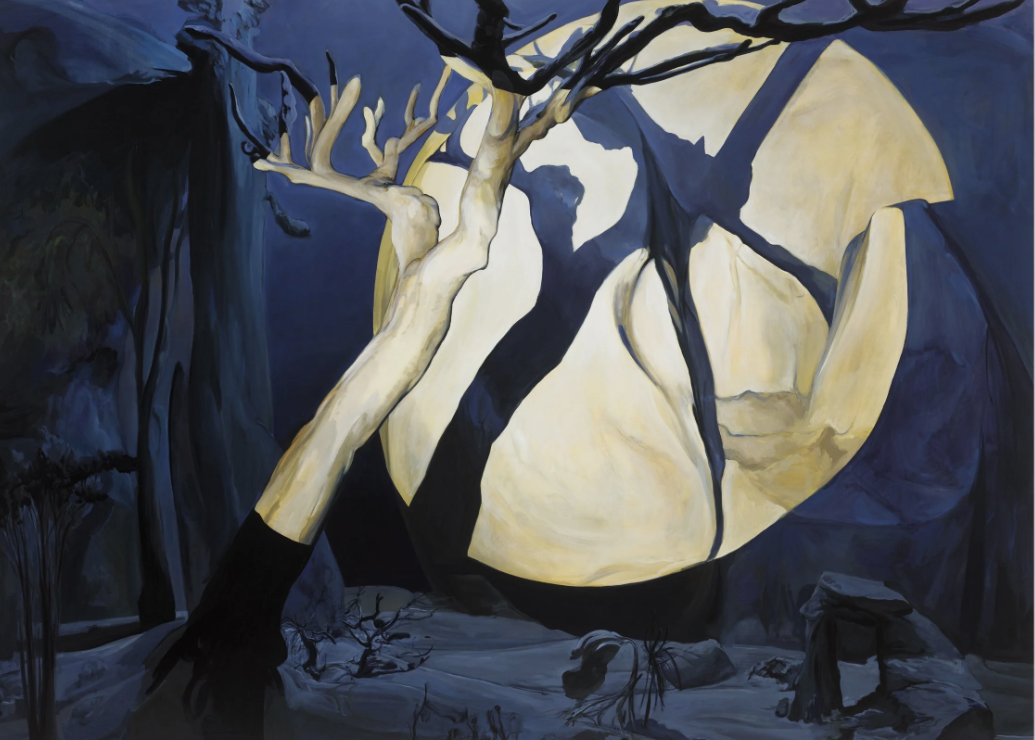
Jean-Michel Basquiat, Dustheads, 1982, painting. Source: Wikipedia
Meet Christine
I was 21 when I had my first full-blown panic attack. Only looking back, could I see signs of generalized anxiety disorder (GAD). I was in college, making friends, and traveling. I was a worrier, but active and happy.
On a trip to Mexico with friends, a wave swept me off a rocky pier. As I struggled to swim to shore, I felt generally triggered. I was in a foreign country, my foot was swollen, and I didn’t know how to get help. I decided to see my own doctor once home, but my flight got cancelled. I was stuck in a remote part of Mexico where few spoke English — but finally I got home safely.
Thereafter, I became extremely anxious around traveling.
The next year, on a trip to the Caribbean with my family, I was shaking with nerves on the little boat that took us island hopping. I was convinced they’d sink and drown. With a sense of impending doom, I slept poorly, ate little, and was relieved to return home. On my way back to college, my car radio died. Clouds rolled in. My heart started beating fast, my throat went dry, and I started gasping for air, afraid my throat was closing. I sped to the nearest exit.
Over the next months traveling by car, I dealt with uncomfortable and terrifying sensations. I didn’t understand what was happening to me, nor what to tell people. Thinking about driving caused excessive worry and physical sensations. As they got worse, I believed I had a serious illness — maybe throat cancer — and saw my doctor. He told my it was just stress and gave me medication, which I was terrified to use. I thought I was going crazy or dying. I had no one to talk to who might understand what I was going through.
I started a new job and had difficulty driving to work. I had a panic attack every time I got in the car. I stopped eating and sleeping and felt hopeless and depressed.
I went to medical and psychiatric doctors and psychologists. They spoke to me about “anxiety” and “panic disorder” and discussed anti-anxiety medications. I tried several medications before finally finding one that worked.
I took some control of my situation. I educated myself on these disorders and what goes on in the brain during times of misinterpreted fear. I determined my triggers. I met fellow sufferers, including in a support group, and learned techniques to work with my disorder — not against it.
I still experience anxiety and panic attacks, but they’re less frequent and debilitating. I got married, bought a first home, adopted two dogs, started a new job, and traveled across the country — with both GAD and an incredibly supportive husband as my companions.
I had difficulty finding treatment because my parents weren’t willing to discuss it with me. This, coupled with my own ignorance about what it means to have a panic disorder and a primary doctor who shrugged me off, made me feel ashamed and embarrassed, as if I’d done something wrong.

I accepted my illness and moved forward with treatment, but as a broke college student I found it was a difficult journey to health. —Christine Wolkin, “My Journey with Anxiety and Panic Disorder,” 2015, National Alliance on Mental Illness (NAMI)
Meet Brynn
Brynn Burger, ADDitude
In ADDitude, Brynn Burger, who suffers from panic attacks, writes, “Never doubt someone who suffers from symptoms they cannot show you. My panic attack was invisible, but very, very real.”
Brynn is a writer. I’ve only made a few edits for brevity. I’ve changed anxiety attack to panic attack, since that’s what she describes.
Here’s Brynne’s story:
What a Panic Attack Really Feels Like
This blog comes from the parent of a child with “invisible disabilities,” including ADHD.
It comes from a teacher whose students miss class for mental illnesses that no one can verify.
It comes from a woman who lived 35 years thinking the feelings of her heart racing, being short of breath, and having sleepless nights were normal — because she didn’t know otherwise.
Anxiety is not fiction.
Many dismiss this ailment as an excuse to get out of mundane tasks or work requirements. Like attention-deficit/hyperactivity disorder or mood disorders, anxiety is hard to see or prove when you’re the sufferer. When you’re struggling to explain yourself to someone who doubts your night sweats and inability to turn your brain off in very early morning are not invented so you can take a vacation day. Our life is not a vacation.
Anxiety is real. Panic is not made up. Owning, getting help to overcome, and learning to cope with your anxious feelings is critical to finally living your life and not simply existing.
This is how a panic attack feels.
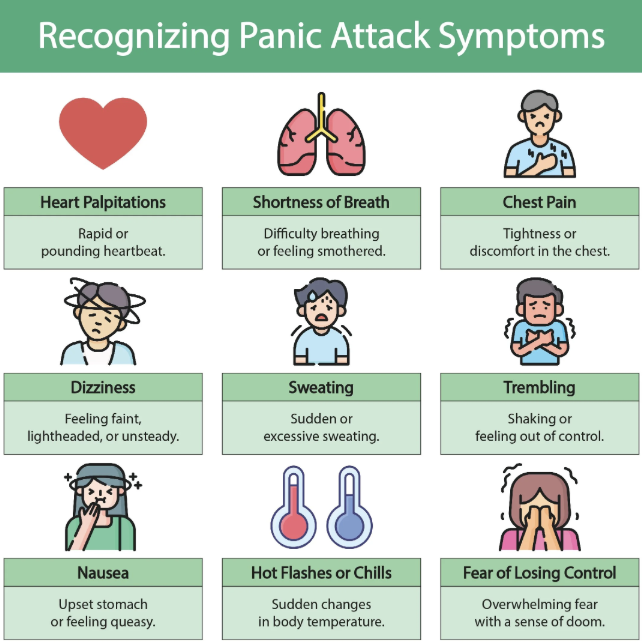
It is 3:00 in the morning. I wake up from a dead sleep, sit straight up, and immediately know something is wrong. I am sweating, nauseous, and feel as if someone has dumped a bucket of ice water on my chest. I feel it spill down my abdomen and through my arms and legs. My chest feels as though a giant’s hand is squeezing it with the intention of taking my life.
I feel like I am dying.
“Call the emergency squad!” I yell to my husband, not thinking I might wake our sleeping children. I refuse to go to the doctor for fairly major complaints, so he knows I am serious.
Before the EMT arrives, I move to the couch, clutch my chest — the pain is more intense than labor contractions — secretly send a voice message to my husband’s phone, hysterically telling him how grateful I am for him and expressing my love for my children.
I feel like I am dying.
When the medical personnel take my vitals, my heartrate has soared above 136, and my breathing is rapid and short. The sweating has slowed, but I am nauseous and dry heaving. After 30 minutes, the aides have updated my stats and tell me I may be having a minor heart attack or have blood clots going to my heart. They take me to the hospital.
Hours and lots of tests later, the doctors say I have gallstones and had a panic attack.
A panic attack? I thought panic attacks were reserved for women who were overly emotional and struggled with a mood disorder. The picture I had of these women from after-school movies and health-class worksheets hadn’t prepared me for the idea that a relatively happy wife, mother, teacher, writer, and friend could be suffering from a panic attack. This had to be wrong.
I was 34 before I knew anxiety was real. I had lived my life with these feelings, never knowing that everyone else wasn’t experiencing the same thing. I was 35 when I reached out to a nurse practitioner friend to ask about my symptoms.
Source: King of the Curve
I began taking the lowest dose of anxiety medication. I’ve been taking it for six months. It has changed my life.
Nothing could have prepared my body or mind for the feelings that flooded my body when it was in full panic.
In the middle of my panic attack, no person, no statistic, no test could have convinced me I wasn’t living my last moments on earth. I felt trapped in a nightmare, where my husband and kids were in my line of sight but out of reach.
I felt I’d never see my kids grow up, graduate, get married, and give us grandchildren. I’d never retire and travel the world with my adventurous husband. I’d never see my dreams realized of being a full-time paid writer.
In a moment lasting hours or seconds, everything came to a halt. The word panic doesn’t seem to reach the sensations I felt. My body ached, my insides contracted and felt ice cold, my heart hurt more than any pain I’ve felt. What was worse was the paralyzing, gripping fear — sheer and utter incapacitating fear — I was leaving so many things undone.
Never doubt someone who suffers from symptoms they cannot show you. Some people are dishonest, but those with mental and emotional struggles wouldn’t wish what they go through on anyone. They surely wouldn’t write it as fiction. —Brynn Burger, ADDitude
Christine’s and Brynn’s Stories: Some Analysis
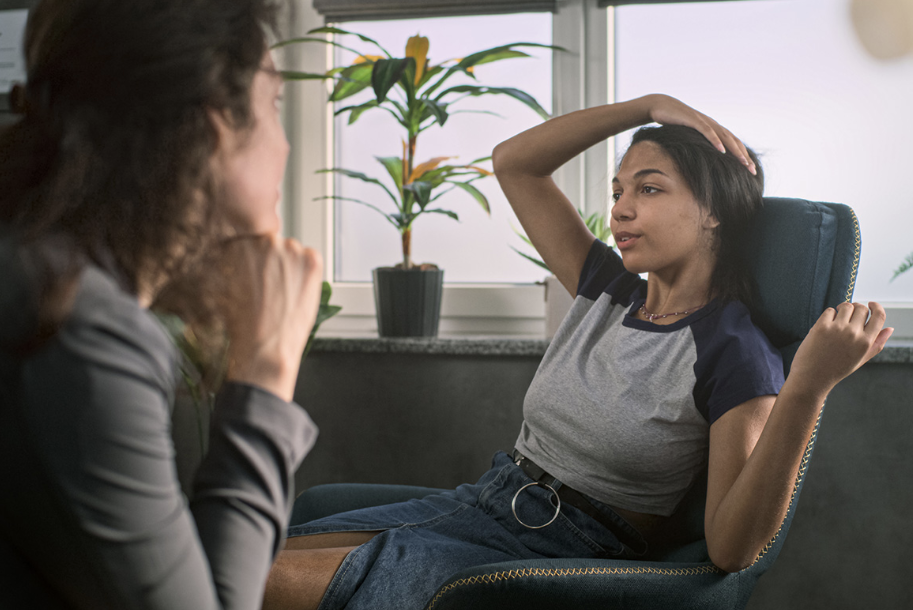
Like a lot of us contending with a mental disorder, whether for ourselves or for close family members, we can see the societal disincentives to take charge and aggressively pursue treatment—much like we’d do for any physical ailment. Mental healthcare is not accessible, nor affordable for most people. As Christine writes, “We need funding to conduct more extensive research on neurological disorders, more affordable care, less discrimination, and more awareness.”
Source: Inward Healthcare
I’m angry at the helping professions. Medical doctors made both women feel lesser than patients with physical maladies, with their positive MRIs and blood tests. Christine and Brynn had the wherewithal to get themselves to medical professionals, unlike the vast majority of the world population who can’t or won’t—but still, they weren’t treated right.
First, I recognize non-psychiatric medical doctors are only trained to treat simple depression or anxiety — which they’ll do with medication. Still, more care is needed here.
Second, the psychiatric and psychological professions seem to require their patients to decide what they need to do for themselves. How are they supposed to know? Especially when they’re in crisis. More compassionate care is needed here, too.
Third, health insurance. Mental health professionals don’t tend to take health insurance, because of low reimbursements. I don’t have the bandwidth or the emotional endurance to go further here. Let’s just silently acknowledge the flaws in this system.
Fourth, government policymakers underfund mental healthcare from research to service delivery. Self-advocacy for change from the mental health community doesn’t compare to those with the means and incentives in other areas, such as cancer, to find cures, new and effective treatments, and medications—with affordable and accessible care for anyone in need.
Fifth and finally, non-governmental organizations (NGOs) — health charities, philanthropic foundations, think tanks, research groups, and universities — are taking on the yeoman’s task of funding what the government doesn’t. Don’t get me wrong, dollar for dollar there’s no competing with the feds. But dollar for dollar, comparing Alzheimer’s research with anxiety research, for example, tells you all you need to know.
More Analysis
When we’re afraid, all our five senses come alive. We see the snake, hear footsteps behind us, smell smoke, feel a stranger’s touch, or taste something off — all eliciting the fear response.
Now imagine something happening to us — a panic attack, like in the two examples — but our senses are now badly confused by what’s happening. We misinterpret physical signs as a heart attack and feel symptoms acutely. When rushed to the hospital, we’re told we’re not having a heart attack. Not only that, we’re feeling better. We’re dismissed, sent home with some new diagnosis and medication, but not a lot of understanding and compassion.
That’s why, in addition to paying close attention to the information we receive through our senses, we must be our own best advocates when in extreme anguish and pain. Of course, when we’re at our most vulnerable, it’s quite literally impossible to demand the care we deserve.
These circular thoughts are the “mental health ironies” I discuss with my sons and others — and we all do a lot of sighing and head nodding. —Jan Swan
Remarkably, many of us blame ourselves for having reactions to high-stress situations that are both automatic and unpreventable. As Hilary Jacobs Hendel notes, “Nature designed us this way for a reason. Bypassing conscious control makes for speedier reactions. Without fear, we’d be easier prey.” I believe strongly in arming ourselves to understand when healthy crosses over to unhealthy, so we can nip the trip to the ER in the bud—or, if that’s not possible, make sure we’re accompanied by a trustworthy advocate.
The Right to Receive Help

Photo: Vecteezy
Back to Christine and Brynn: What if in the aftermath of her terror-producing fall into the water, Christine recognized the significance of her earlier worries — her predisposition to worry? What did she worry about? Was it reasonable or excessive? What if her parents recognized something wasn’t right with their normally high-spirited daughter? Answers to these questions might suggest that Christine could’ve received earlier, more nurturing support and professional guidance before she reached the crisis stage.
Brynn agrees with the ENT crew she’s having a heart attack. How scary for her. At the hospital, she’s given different news that sends her home.
Dismissed and diminished, she doesn’t feel believed. Luckily, she has a supportive husband. What if she didn’t? What if she were worried about who’d care for her children?
I admire Christine and Brynn for going public with their stories to inspire others to take charge of their health and healthcare. They justifiably feel outrage and recognize their right to receive help as much as anyone with a physical illness, much like someone getting compassionate, state-of-the science care in a cancer ward.
Sadly, many struggling to live with mental disorders don’t have Christine’s or Brynn’s self-awareness or education. We have a long way to go before anyone in need can receive the care they deserve. To be believed. We need professionals to do their job and help. No one should have to shout from the rafters for help while in the throes of a crisis. I close with this thought from Christine:
Improving your mental health is a unique journey for each of us, and treatment should be treated as such. If we come together we can make this happen. I truly believe that.
Coming Up Next
In Post 5: Fear, Anxiety, and Fight or Flight, I’ll explain the fight-of-flight response, how that saves us from danger but becomes a source of ill health once our acute fears become chronic anxiety.
 English