On Anxiety and Panic Disorder
Show Table of Contents
INTRO
FEAR VS ANXIETY VS ANXIETY DISORDERS
- Emotional Health vs Mental Health
- Fear vs Anxiety
- Personal Journeys with Anxiety and Panic Disorder
- Fear, Anxiety, and Fight or Flight
- The Evolutionary Role of Anxiety
- When Anxiety Drifts to Disorder
- The Ancient Advantage and Current Anguish of SAD
PHOBIAS, ANXIETY / PANIC ATTACKS
- Phobias and the Rapid Onset of Fear
- Specific Phobia and Agoraphobia
- Anxiety Attacks vs Panic Attacks vs Panic Disorder
- Anxiety Disorder Risk Factors and Symptoms
- Why Anxiety Goes Undiagnosed — and Untreated
TREATING AND COPING WITH ANXIETY
16. Treatment Options for Anxiety Disorders — Part II

Photo: Adobe Stock
Relaxation Therapies
Related to coping strategies (I’ll cover in the next post), are relaxation therapies. They draw on Eastern practices that have been around for thousands of years, now paired with 21st-century science and know-how. Many are low-cost and widely available through books, apps, and guided programs.
I’m not the best practitioner myself — I’ve a poor track record with meditation on my own. I pace when I’m on the phone. I forget to deep breathe after a few tries. But I’m a believer. I believe in the mind-body-brain connection — and how we suffer when those systems fall out of alignment.
I just have to get better at it. And if it means taking a course — online or nearby — then maybe it’s worth giving up a month of takeout and going all in.
Mindfulness and Mindfulness-Based Stress Reduction (MBSR)
To let go means to give up coercing, resisting, or struggling, in exchange for something more powerful and wholesome which comes out of allowing things to be as they are without getting caught up in your attraction to or rejection of them, in the intrinsic stickiness of wanting, of liking and disliking. —Jon Kabat-Zinn
Mindfulness and mindfulness-based stress reduction (MBSR) are EBTs offering intensive training to assist people with stress, anxiety, depression, and pain. It was developed in the 1970s by Jon Kabat-Zinn, who has a PhD in molecular biology from MIT, is professor emeritus at University of Massachusetts Medical Center, founder of its Stress Reduction Clinic, and author of Wherever You Go, There You Are: Mindfulness Meditation in Everyday Life and Full Catastrophe Living.
MBSR is typically an eight-week course that combines mindfulness meditation, body awareness, yoga, and exploration of present experience — body sensations, internal mental states, thoughts, emotions, impulses, memories — without judgement. It doesn’t aim to eliminate distress, but to relate to it differently, reducing reactivity and increasing stability.
Research over the past decade suggests its potential beneficial effects for mental and physical health, as well as athletic performance. Different studies come to similar findings — with evidence showing:
- Meditation is associated with increased neuroplasticity — the brain’s ability to adapt through experience and training.
- Rapid breathing can trigger feelings of anxiety, anger, or fear. Slowing the breath can help reduce them.
Applied Relaxation (AR) Training
Applied relaxation (AR) training is a term for a series of mind-body exercises that help reduce generalized anxiety disorder (GAD), panic disorder, and different phobias.
The goal is to learn to relax rapidly and counteract and eventually stop anxiety reactions. AR helps you identify situations where panic is likely, learning early signs of panic, or noticing when you start to feel tense — so you start using relaxation techniques. You respond differently to anxiety by decreasing muscle tension through relaxation before the anxiety cycle has a chance to strengthen. A typical course of AR is hour-long sessions each week for 12-15 weeks
- AR techniques include sustained deep breathing, progressive muscle relaxation, guided imagery, and systematic desensitization. You might relax in the presence of panic cues and then in real-world situations in which panic is likely.
- Research studies show the results of AR were as effective as other behavioral methods, with beneficial results lasting beyond a year.

Biofeedback Training and Virtual Reality Therapy (VRT)
Biofeedback therapy is a non-invasive, non-drug treatment that helps us learn to regulate physiological processes such as heartrate, blood pressure, and muscle tension.
Electrical sensors, connected to the body, measure physiological signals, such as breathing rate and patterns, and provide real-time feedback. Readings in the form of auditory or visual feedback indicate when physiological changes are taking place that might go unnoticed. Feedback can come in a blinking LED or buzzing sound. We learn to recognize when changes occur and then how to consciously relax to bring balance to our body.
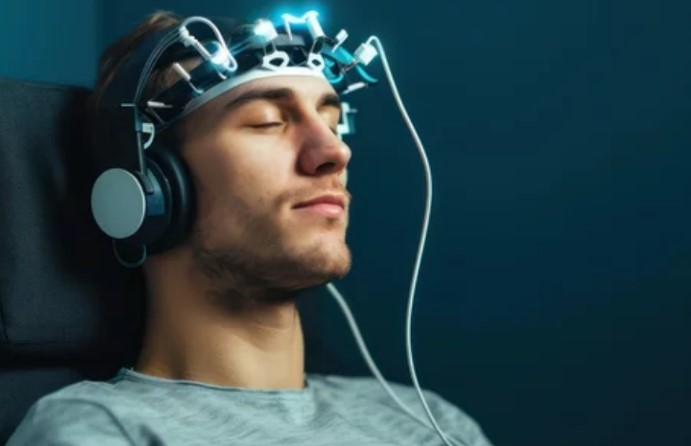
Photo: Adobe Stock
We can use instant biofeedback to learn how to make our bodies work better. It works much like learning to ride a bicycle — the wobble tells you when you’re off balance, and over time, you learn to correct. Around since the late 1960s, biofeedback empowers us to be in control of our body’s emotional responses, with a low risk of side effects.
During a biofeedback session, a certified therapist places painless sensors or devices on the body, including bands around the chest and stomach. The sensors measure physiological signals, such as breathing rate and patterns
Heartrate Variability (HRV) Biofeedback
Heartrate variability (HRV) is a specific technique teaching relaxation techniques, while monitoring heartrate, galvanic skin response (skin’s electrical changes in response to sweating — from being physiologically aroused), and breathing pattern. When combined with cognitive behavioral therapy (CBT) and/or virtual reality therapy (VRT), biofeedback can help anyone who’s willing to wear a headset manage anxiety and tension, elevate mood, and improve sleep. There’s evidence that HRV biofeedback augments treatment gains and enhances clinical outcomes, proving it to be an excellent adjunct therapy.
Biofeedback is particularly effective for conditions caused by stress, especially if they can be solved by relaxing, including, high blood pressure, chronic pain, performance enhancement, anxiety, delayed and/or disturbed sleep, headaches, or GI track illness.
VIRTUAL REALITY THERAPY (VRT)
Also called virtual reality immersion therapy (VRIT), simulation for therapy (SFT), virtual reality exposure therapy (VRET), or computerized CBT (CCBT) — VRT is a type of biofeedback that uses virtual reality technology to help us navigate stressful or anxiety-provoking situations from the safety of an office. VRT is typically used in combination with CBT and other approaches to address specific (fear of flying, cats, dogs, elevators, subways) and social (public speaking anxiety) phobias. It can also help with chronic pain reduction and emotional dysregulation.
In VRT, specially programmed computers and visual immersion devices generate simulated experiences. Once immersed in a digital environment and isolated from surrounding sensory inputs, we complete tasks tailored to treat a specific condition, while beginning to think, feel, and sometimes behave as though in the real world.
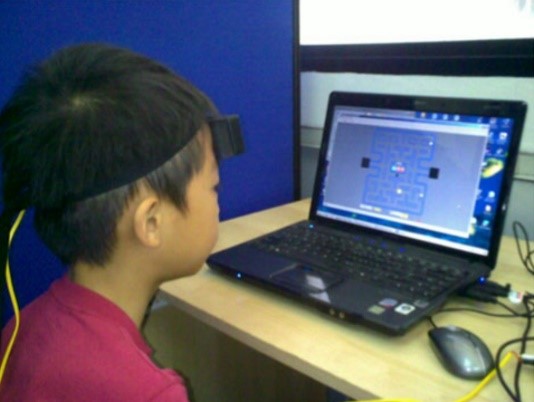
Photo: Brain Enhancement Centre
The experience of the VR headset combined with biofeedback technology measures the body’s responses and helps us adapt to being less fearful and anxious. Specific treatment protocols depend on the type of anxiety, phobia, or trauma. Technology can range from a simple PC and keyboard setup to a modern virtual reality headset.
Treating Anxiety, Trauma, and Phobia
One of the most powerful treatments for anxiety, trauma, and phobias is exposure therapy [discussed in post 14], which allows the brain to gradually “unlearn” threat responses. Through repeated exposure to triggering events, the brain adapts to feeling less anxiety and fear.
Psychosocial VRT has proven effective as an alternative form to exposure therapy for treating phobias, especially for those who have difficulty imaging (re-creating) an anxiety-producing situation. The idea is to interact with harmless virtual representations of stressors to reduce specific fear responses (fear of flying, heights, etc.).
VRT Treatment of Phobias
Phobic reactions to perceived threats — high or closed spaces, speaking in public, flying — are usually triggered by visual and auditory stimuli. The VRT world provides artificial, controlled stimuli, while the therapist monitors our reaction. They can adjust the environment by, for example, adding smell or vibration, until determining triggers and triggering levels. VRT may replay virtual scenes, with or without adjustment, until we grow more comfortable.
VR-exposure, as compared to real-life exposure, has the advantage of generating a vivid experience, without associated risks or costs. Similarly, clinicians can take one of two approaches concerning the intensity of exposure:
- Flooding: The most intense approach, presenting stimuli producing the worst stressor first
- Graded exposure: The more relaxed approach, introducing the least distressing stressor first
Social Skills Training (SST)
Social skills training (SST) for those with social-communication disorders — especially for those with severe social anxiety disorder (SAD), as well as autism spectrum disorder (ASD) or attention-deficit/hyperactivity disorder (ADHD) — uses a behavioral approach to teaching age-appropriate skills. These include communication, problem-solving, decision-making, self-management, peer relations, and other ways to act (like using eye contact and asking appropriate questions) in many different situations through practice and rehearsal.
SST is mostly aimed at children, adolescents, and young adults, but it can be learned at any age, guided by therapists and delivered either individually or in a group format, usually once or twice a week.

SST is most effective when used as a component of a combined treatment program — such as CBT or medication — especially for those with severe SAD, both for their social skills and their anxiety about social situations. In fact, it’s effective in improving social skills for those with SAD regardless of the social issue.
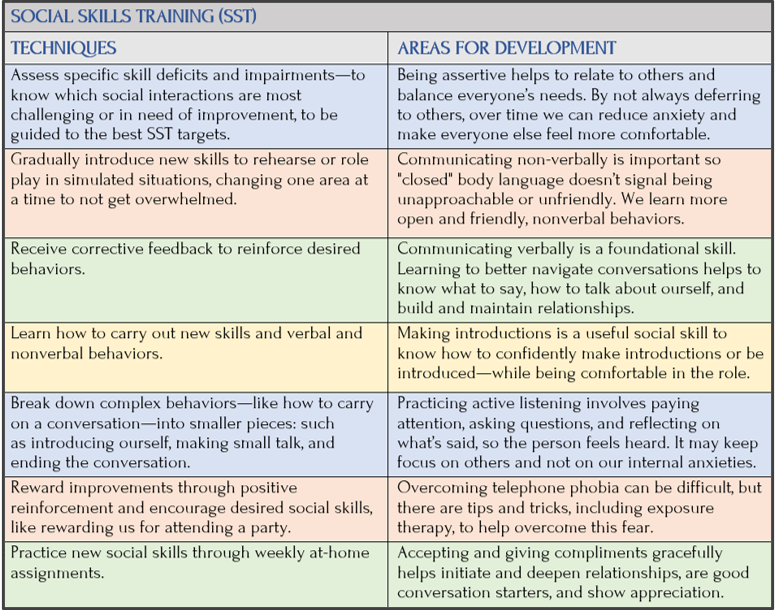
The chart below breaks down how these skills are taught and what they aim to build.
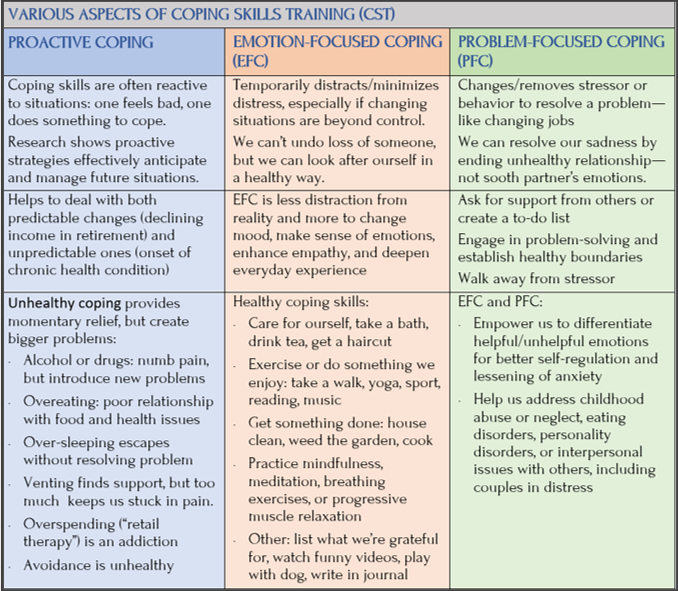
Coping Skills Training (CST)
Coping skills training (CST) helps us manage uncomfortable or anxiety-provoking situations, ranging from normal problems (test taking, giving a public talk, getting a divorce) to diagnosed disorders (severe anxiety, phobias, agoraphobia).
Coping strategies are not one-size-fits-all — what helps in one situation may not help in another. Going for a walk may calm us down, but keeps another obsessing more about their problem; or the walk may work when you’re sad, but not angry.
Candidates for CST can struggle to practice healthy coping skills or over-rely on unhealthy coping skills. Therapists help develop specific, healthy coping skills not only to calm stress without avoiding the issue, but to be used throughout life.
The chart below offers a way to think about coping strategies — what they’re meant to address, and how they might fit different situations.
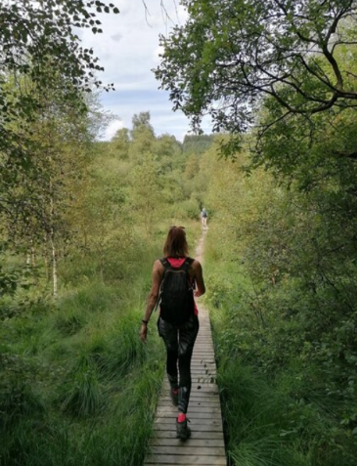
Photo: Freepik
Medication
A number of scientifically studied medications have proven useful for anxiety disorders. All medications can cause side effects, such as headaches, nausea, or difficulty sleeping. They’re usually not severe, especially if the dose starts off low and is increased slowly over time. From National Institute of Mental Health (NIMH) and other sources, the main classes of drugs are:
- Antidepressants: The most common classes of antidepressants with the least amount of side effects are selective serotonin reuptake inhibitors (SSRIs) and serotonin and norepinephrine reuptake inhibitors (SNRIs). There are also older tricyclic antidepressants (TCAs) that might be better for treating agoraphobia or severe anxiety for people not helped by SSRIs or SNRIs. Doctors or psychiatrists usually prescribe anti-depressants for at least six months to a year. If we feel better and are no longer triggered by the stressors that caused fear and anxiety, it’s possible to taper off the medicine. However, some may need to continue with low-doses of antidepressants for years or a lifetime. SSRIs are generally preferred because of less side-effects, affordability, availability, decreased potential for abuse, and better tolerability.

Photo: Mobi Doctor
- Buspirone: This anti-anxiety antidepressant may be used on an ongoing basis. It also takes up to several weeks to become fully effective
- Benzodiazepines: These anti-anxiety, sedative medications can be effective in rapidly decreasing panic attack symptoms. Because they can be habit-forming, they can only offer relief of acute anxiety on a short-term basis. These medications are not recommended for anyone struggling with alcohol or drug abuse. Many people use anti-anxiety medication when therapy, exercise, or self-help strategies would work just as well or better — minus the side effects and safety concerns. It’s important to weigh the benefits and risks of medication to make an informed decision.
- Beta-blockers can help control some of the physical symptoms of panic disorder, such as rapid heartrate, sweating, and tremors. Healthcare providers don’t commonly prescribe beta-blockers for panic disorder, but they can help preceding a panic attack.
Coming Up Next
In Post 17: Being Attuned to Our Brain-Mind-Body Connection, I’ll tackle some exciting, slightly newer therapies for treating mental disorders. The idea is to not solely rely on one or two approaches if they work only modestly or not well at all. The idea of trying something different to deal with anxiety disorders can give hope. Not only that, it’s the future direction of treatment and research. Mind-brain-body (MBB) represents a growing body of 21st-century research showing that our cognitive health as we age reflects the totality of the health of our minds, brains, and bodies.
Sources for posts 14-16:
 English